While you're here, please consider supporting GamingOnLinux on:
Reward Tiers: Patreon. Plain Donations:
  PayPal.
This ensures all of our main content remains totally free for everyone! Patreon supporters can also remove all adverts and sponsors! Supporting us helps bring good, fresh content. Without your continued support, we simply could not continue!
You can find even more ways to support us on this dedicated page any time. If you already are, thank you!
Reward Tiers:
Patreon. Plain Donations: PayPal.This ensures all of our main content remains totally free for everyone! Patreon supporters can also remove all adverts and sponsors! Supporting us helps bring good, fresh content. Without your continued support, we simply could not continue!
You can find even more ways to support us on this dedicated page any time. If you already are, thank you!
Login / Register
- The "video game preservation service" Myrient is shutting down in March
- SpaghettiKart the Mario Kart 64 fan-made PC port gets a big upgrade
- California law to require operating systems to check your age
- Run your own band in the pixel art management game Legends of Rock
- The OrangePi Neo gaming handheld with Manjaro Linux is now "on ice" due to component prices
- > See more over 30 days here
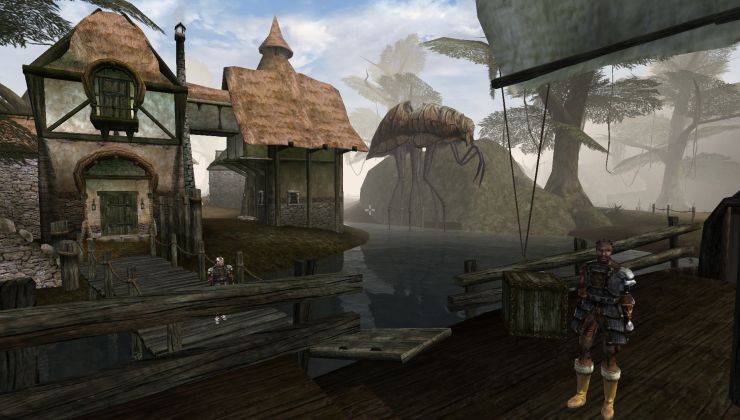 How to setup OpenMW for modern Morrowind on Linux / SteamOS and Steam Deck
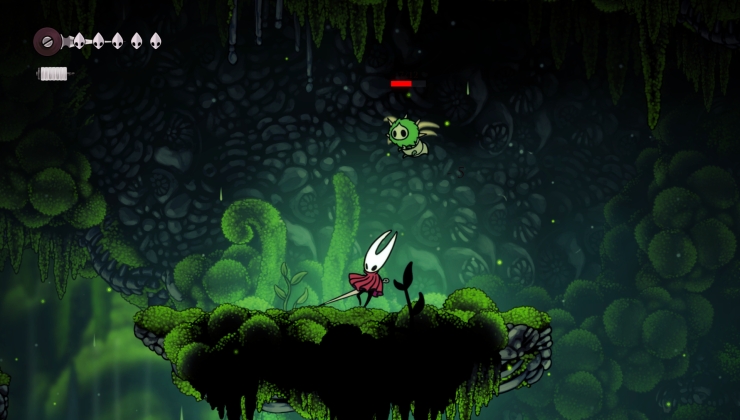 How to install Hollow Knight: Silksong mods on Linux, SteamOS and Steam Deck
So, I jumped on my laptop, and made the attempt. I got one game running, but there were a few things I still had to figure out: how to grant access to GPU acceleration (add to the video group) and how to forward sound (paprefs > enable network access, PULSE_SERVER=localhost). Eventually I put together a reliable script to launch games as other users, and I didn't notice any performance impact. Going even further, I removed file permissions for "other", restricted access to UID changing programs, and I added special firewall rules for users, so I had one user for offline games without internet access and one that had internet access, with some local access restrictions.
This was fair bit of work, but I actually thought it was rather fun. And there were other benefits, like teaching me how to apply the same isolation to programs like web browsers.
Do any of you practice some form of game software isolation?
Update 03/07/15
For anyone who might have been interested, I have now posted the scripts I'm using on Github: [https://github.com/ntfwc/sudo-x](https://github.com/ntfwc/sudo-x)