 Support us on Patreon
 PayPal
Latest Comments by slaapliedje
Paradox Interactive on Linux support, it's being done on a "case by case basis"
1 Jul 2019 at 3:31 pm UTC Likes: 2
I'll sum it up for you. Paradox buys White Wolf, VtM gets updated because there was a neo-nazi group in it, and instead now it has a Islamic gay Gangrel guy nicknamed the 'Bear Gangrel'. Oh, and he is a vampire that cares about minorities within the vampire community.
Considering there is the whole underlying 'racial' issue between the different clans in the Vampire game, that seems kind of pointless and over the top. The game is already dealing with issues of race/clan.
So with Paradox publishing the game there is the fear of such nonsensical characters being put into this for the sole purpose of making a small minority of people who want to be represented in video games to be happy, rather than catering to the actual giant fans of the game.
NOTE: that is pretty much what he says, and I do kind of agree with it. The White Wolf games are the World of Darkness, they're supposed to be somewhat bleak, and you basically have to fight to keep your humanity or the Beast takes over. That's been the whole thing of it. It's not like allowing you to play a non-binary gender in Battletech, at least not yet. We'll see.
1 Jul 2019 at 3:31 pm UTC Likes: 2
Quoting: EikeHa, that video was entertaining.Quoting: GuestI never said that, I just said they don't get continued/active support.Soory, missunderstanding on my side.
Quoting: EikeThis sums up what I'm talking about: https://www.youtube.com/watch?time_continue=1&v=BnEhruDrBfA [External Link] (skip to 3:04 if you're impatient)Stopped listening after "motherfucker", so after about three seconds.
I'll sum it up for you. Paradox buys White Wolf, VtM gets updated because there was a neo-nazi group in it, and instead now it has a Islamic gay Gangrel guy nicknamed the 'Bear Gangrel'. Oh, and he is a vampire that cares about minorities within the vampire community.
Considering there is the whole underlying 'racial' issue between the different clans in the Vampire game, that seems kind of pointless and over the top. The game is already dealing with issues of race/clan.
So with Paradox publishing the game there is the fear of such nonsensical characters being put into this for the sole purpose of making a small minority of people who want to be represented in video games to be happy, rather than catering to the actual giant fans of the game.
NOTE: that is pretty much what he says, and I do kind of agree with it. The White Wolf games are the World of Darkness, they're supposed to be somewhat bleak, and you basically have to fight to keep your humanity or the Beast takes over. That's been the whole thing of it. It's not like allowing you to play a non-binary gender in Battletech, at least not yet. We'll see.
Paradox Interactive on Linux support, it's being done on a "case by case basis"
1 Jul 2019 at 9:30 am UTC Likes: 3
With how we're treated by some devs, it wouldn't surprise me if we've lost a lot of users based on that.
Also the shenanigans of Ubuntu trying to drop support for 32bit compatibility doesn't help. How many Ubuntu users are just going to go back to Windows rather than distro hop?
1 Jul 2019 at 9:30 am UTC Likes: 3
Quoting: GuestThere is definitely a lot of that, and a lot of 'hey we'll release a Linux version' kickstarters that then fail to do so.Quoting: PatolaWho do you think you're fooling tho? about 90% of games with 'linux support' are just dropped on linux and get no post-launch support. Support does not have to mean active support, just that the game runs on the OS.Quoting: GuestNot true, the biggest cost seem to be in resolving players issues with the game in their support channels and maintaining the code, since they need to hire people for that and it is not so easy and cheap to have linux personnel for that. Add to that that usually linux players are very loud customers, even if usually more cooperative; remember The Witcher 2?Both in relative and absolute numbers. It makes [zero] business sense to support it unfortunately. :(Lol, they're saying this as if it costs them something, if they're using a third party game engine all they have to do is pick one that supports linux, rest is more or less as easy as pressing a button. If they're making their own game engines they just have to support linux first, after which making a windows compatible version is a breeze (and as a bonus, a mac version would also be a breeze, especially if your engine uses the vulkan/moltenvk combination)
With how we're treated by some devs, it wouldn't surprise me if we've lost a lot of users based on that.
Also the shenanigans of Ubuntu trying to drop support for 32bit compatibility doesn't help. How many Ubuntu users are just going to go back to Windows rather than distro hop?
Valve looking to drop support for Ubuntu 19.10 and up due to Canonical's 32bit decision (updated)
1 Jul 2019 at 9:12 am UTC
1 Jul 2019 at 9:12 am UTC
Quoting: ScooptaCurious WHAT distribution supports that config easily? Like seriously, that's pretty custom and non-standard.Quoting: slaapliedjeNope I'm talking about partitioning. There's two things I do which it doesn't like. Depending on if I use grub or not changes what I do and what it complains about. If I don't use grub then I efi stub and it doesn't like /boot being on vfat instead of a Linux FS. If I do use grub then I have grub do my luks decrypt so /boot is encrypted and Debian doesn't like an encrypted /boot. I've mostly stopped using grub so it's usually the first issue but I do some hobby kernel dev and my kernel requires grub so I have systems with both setups.Quoting: ScooptaHa, now I'm really curious what you're trying to do with the installer that prevents you from setting it up the way you want. I mean I understand that about Ubuntu and a lot of other distributions, where they try to simplify the partitioning, but what is it you're trying to do that Debian doesn't allow, because I think it's one of the more flexible partitioners (unless you're not talking about partitioning?)Quoting: slaapliedjeThe Debian installer bugs me. It doesn't let me setup my system the way I want. It has a habit of telling me the thing I'm trying to do won't work and that I can't do it when I can. I just don't use it anymore, I have a Debian disk with debootstrap on it and I just install Debian the same way most people do Arch. It lets me get Sid right from the start and it doesn't get in my way. It's also not terribly difficult if you're familiar enough with Linux.Quoting: ageresThe main reason for Arch over OpenSUSE Tumbleweed is probably that Tumbleweed is more of the bleeding edge, rolling release version of OpenSUSE, whereas it's just what Arch does.Quoting: razing32If you really don't like the setup of Arch , try Manjaro or one of the helper scripts.The problem with distributions derivatives is that their support can be dropped, like Antergos.
If, say, Xubuntu ends someday, I can always use Ubuntu mini CLI installer and simply choose xfce as DE. But I have problems with installing Arch. I tried several times, and succeeded only once, and I'm not sure what was different that time. It's something with a bootloader. I chose its every option in the installer, but the system did not start after installing. So, I don't want to use Arch-based distros if I cannot even install Arch.
Also, I don't see any reason to use Arch. Having a rolling release distro, so I wouldn't ever have to upgrade or reinstall? OpenSUSE is one too. Many software distribute as deb or rpm files only, which can be converted to each other with "alien", but Arch supports neither. More nuisances, no benefit.
So stability wise, Arch is more likely to be stable than Tumbleweed is.
I've tried out Tumbleweed in the past, and while stability wasn't really an issue, I just can't use Yast. It's funny, those that started out Linux with that distribution probably love Yast, anyone who started out with other distributions despise it. I kind of fall into that latter group.
It's the same thing for something like webmin / webadmin, that thing was horrific back in the day, not sure how it is now, but it's just simpler to edit the configs yourself, and not use something that's going to mash over it. Especially for configuring things like the Squid proxy software, where it has a billion options, and there is no decent way to create a UI for configuring it, without losing a lot of the potential functionality.
Anyhow, Arch may have a lack of what most people would say is a real installer, but it doesn't matter because once you have it installed, it just works.
It's also gotten a LOT better than it used to be, some things are just simply 'pacman -S gnome' and you get gnome. I think it takes me about 20 minutes to do a net install of Debian, and maybe another 10m after that of configuring it how I like it. Arch takes maybe an hour for both. Though with Arch, you should have a phone or some other device to read wikis while installing :)
Valve looking to drop support for Ubuntu 19.10 and up due to Canonical's 32bit decision (updated)
1 Jul 2019 at 9:10 am UTC
Edit: Bah, a lot of my quotes / answers were in-line, and it's 3 in the morning, so don't want to try to figure out why ha!
main point was, Yast is more like a control panel, vs just a package manager like Synaptic.
1 Jul 2019 at 9:10 am UTC
Quoting: ageresWeird, what hardware are you using there that xorg didn't automatically set up your drivers? Even on my 2080 RTX, the nouveau driver works for basic 2d.Quoting: slaapliedjeThe main reason for Arch over OpenSUSE Tumbleweed is probably that Tumbleweed is more of the bleeding edge, rolling release version of OpenSUSE, whereas it's just what Arch does.
So stability wise, Arch is more likely to be stable than Tumbleweed is.
Quoting: ageresSo, Arch is better than Ubuntu/Fedora because it has newer software, and is better than Tumbleweed because its software is older? I wouldn't say that one distro is better than another just because of packages versions. Some people want to have everything as new as possible, some people don't.No, I was stating that Arch is more stable based on how they do things vs how Tumbleweed does things. A lot of times with Suse (at least last time I attempted to use it) you have to use separate repositories for packages. Arch has either their base, which is really stable, or their AURs which can be less stable / badly maintained. But in the end, my experience was that Arch is something you can install once, and run forever, Suse is less so.
Quoting: slaapliedjeI've tried out Tumbleweed in the past, and while stability wasn't really an issue, I just can't use Yast. It's funny, those that started out Linux with that distribution probably love Yast, anyone who started out with other distributions despise it. I kind of fall into that latter group.
Quoting: ageresYast seems like Ubuntu's Synaptic. Anyway, I thought Linux users prefer CLI package managers.Yast is more than a package manager (Synaptic is only a graphical frontend to apt). Yast configures the whole system, it's more like Windows' control panel, handling networking, etc.
Quoting: slaapliedjeAnyhow, Arch may have a lack of what most people would say is a real installer, but it doesn't matter because once you have it installed, it just works.
Quoting: ageresIt probably does, but sometimes an OS needs reinstalling. I got a bigger SSD this winter, so I had to install it. I recently bought another one, even bigger, haven't got it yet, but already annoyed by an idea of another installation.When taking one install to a bigger hard drive, I just either clone the drive to another system, then image the drive, or just rsync the data over, and install grub. Wouldn't bother re-installing in that case.
I also have about 20 computers with Ubuntu-based Linux at my work, and I would have gone crazy if I had to spend so much time on installing and tweaking systems on every of them. But with Ubuntu all I need is to:
1. boot from an USB drive;
2. add IP of my "server" with APT cache, so I could get updates via LAN with 100/1000 Mbps speed (one minute of time);
3. click "next, next, install", type a couple on line (one more minute);
4. boot into the installed OS, enable APT cache again (one minute);
5. run a bash script that installs software I need and removes that I don't (two seconds);
6. tweak some UI settings (one or two minutes).
That's few minutes of my time I must spend on a computer. The rest of time I can rest, everything is automatized. So, quick and easy installation is a must-have feature for me since I have to manage many computers.
If you have that many systems, PXE boot an image with a preseed :) Or use clonezilla to image one, then PXE to clone to the others. Works fantastic for both Windows and Linux.
Quoting: slaapliedjeThough with Arch, you should have a phone or some other device to read wikis while installing :)I actually installed Arch yesterday, couldn't get graphics working though. I had to read wikis, look into config files on my system and on VMs as well to check what should I have done. I installed xorg, lightdm, lightdm-gtk-greeter, xfce4, wrote many configs, but for some reason I don't see a GUI greeter, and after i type my username and password all I get is a blank dark screen. I think I didn't configure xorg right.
Installing Arch the hard way sure hepls to understand how Linux works, but does it make it a better distro than others?
I made less effort to install FreeBSD once (and I thought THAT was hard), and at least I succeeded.
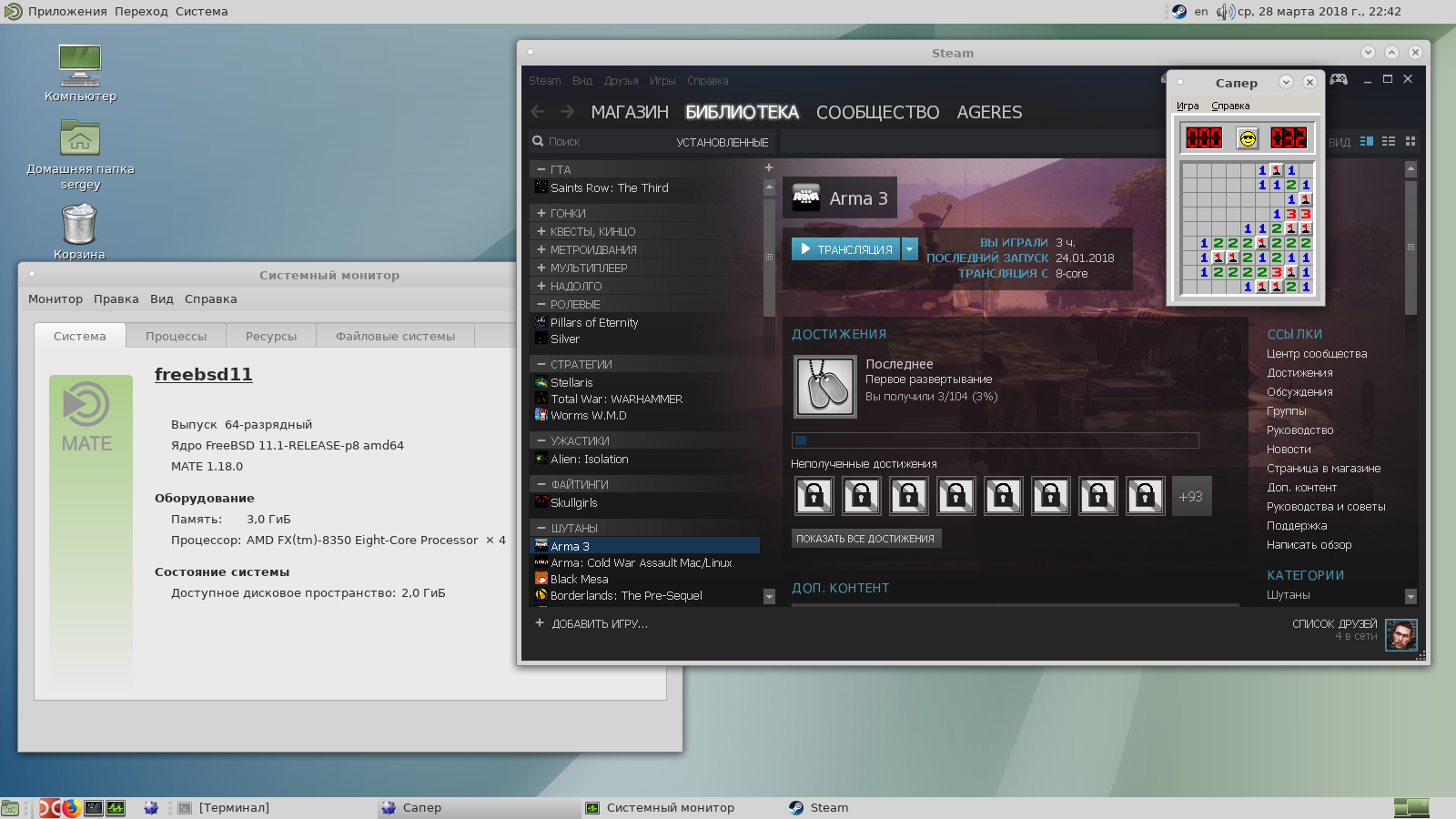
Edit: Bah, a lot of my quotes / answers were in-line, and it's 3 in the morning, so don't want to try to figure out why ha!
main point was, Yast is more like a control panel, vs just a package manager like Synaptic.
Paradox Interactive on Linux support, it's being done on a "case by case basis"
1 Jul 2019 at 3:36 am UTC Likes: 3
1 Jul 2019 at 3:36 am UTC Likes: 3
I know they've made plenty of money off of me, since I buy all their stuff. Ha, alone I'm fairly certain I've spent like 300 bucks on CK II.
Valve looking to drop support for Ubuntu 19.10 and up due to Canonical's 32bit decision (updated)
30 Jun 2019 at 8:44 pm UTC Likes: 1
30 Jun 2019 at 8:44 pm UTC Likes: 1
Quoting: ScooptaHa, now I'm really curious what you're trying to do with the installer that prevents you from setting it up the way you want. I mean I understand that about Ubuntu and a lot of other distributions, where they try to simplify the partitioning, but what is it you're trying to do that Debian doesn't allow, because I think it's one of the more flexible partitioners (unless you're not talking about partitioning?)Quoting: slaapliedjeThe Debian installer bugs me. It doesn't let me setup my system the way I want. It has a habit of telling me the thing I'm trying to do won't work and that I can't do it when I can. I just don't use it anymore, I have a Debian disk with debootstrap on it and I just install Debian the same way most people do Arch. It lets me get Sid right from the start and it doesn't get in my way. It's also not terribly difficult if you're familiar enough with Linux.Quoting: ageresThe main reason for Arch over OpenSUSE Tumbleweed is probably that Tumbleweed is more of the bleeding edge, rolling release version of OpenSUSE, whereas it's just what Arch does.Quoting: razing32If you really don't like the setup of Arch , try Manjaro or one of the helper scripts.The problem with distributions derivatives is that their support can be dropped, like Antergos.
If, say, Xubuntu ends someday, I can always use Ubuntu mini CLI installer and simply choose xfce as DE. But I have problems with installing Arch. I tried several times, and succeeded only once, and I'm not sure what was different that time. It's something with a bootloader. I chose its every option in the installer, but the system did not start after installing. So, I don't want to use Arch-based distros if I cannot even install Arch.
Also, I don't see any reason to use Arch. Having a rolling release distro, so I wouldn't ever have to upgrade or reinstall? OpenSUSE is one too. Many software distribute as deb or rpm files only, which can be converted to each other with "alien", but Arch supports neither. More nuisances, no benefit.
So stability wise, Arch is more likely to be stable than Tumbleweed is.
I've tried out Tumbleweed in the past, and while stability wasn't really an issue, I just can't use Yast. It's funny, those that started out Linux with that distribution probably love Yast, anyone who started out with other distributions despise it. I kind of fall into that latter group.
It's the same thing for something like webmin / webadmin, that thing was horrific back in the day, not sure how it is now, but it's just simpler to edit the configs yourself, and not use something that's going to mash over it. Especially for configuring things like the Squid proxy software, where it has a billion options, and there is no decent way to create a UI for configuring it, without losing a lot of the potential functionality.
Anyhow, Arch may have a lack of what most people would say is a real installer, but it doesn't matter because once you have it installed, it just works.
It's also gotten a LOT better than it used to be, some things are just simply 'pacman -S gnome' and you get gnome. I think it takes me about 20 minutes to do a net install of Debian, and maybe another 10m after that of configuring it how I like it. Arch takes maybe an hour for both. Though with Arch, you should have a phone or some other device to read wikis while installing :)
Valve looking to drop support for Ubuntu 19.10 and up due to Canonical's 32bit decision (updated)
30 Jun 2019 at 8:42 pm UTC
Yes there are a few tweaks after install, but that's why you create your own pre-seed, which is really all SteamOS is.
But this isn't even about them dropping their distribution for something non-Ubuntu, because it already is. This is all about them changing 'Ubuntu' as their requirements. Which really I think it never should have been that in the first place. But I do understand why they did it that way, because it is harder to just say 'runs on anything that Steam for Linux will run on' because that's a bit more difficult to pass on as 'this is what we support.' But they could easily say 'supports Debian based distributions' but that would still make all Arch / Fedora, etc users butt hurt.
I still maintain they should just have Kernel / Library / Driver version / HW requirements
I noticed Overload for example complains about libva.so.1 not existing in 32bit. Apparently it's a deprecated library and Debian dropped support after Stretch. I installed the Stretch packages in Sid/Buster, but that's not ideal. But if it said that in the minimum/recommended requirements as just libraries vs 'run this distro and all will be shiny' I think it'd be a lot better for everyone.
30 Jun 2019 at 8:42 pm UTC
Quoting: Purple Library GuyHa, Debian's installer is pretty much a 'next, next, configure partitions (or let it do it for you), wait, reboot, done.' sort of deal.Quoting: slaapliedjeIt's also gotten a LOT better than it used to be, some things are just simply 'pacman -S gnome' and you get gnome. I think it takes me about 20 minutes to do a net install of Debian, and maybe another 10m after that of configuring it how I like it. Arch takes maybe an hour for both. Though with Arch, you should have a phone or some other device to read wikis while installing :)Quoting: ScooptaThe Debian installer bugs me. It doesn't let me setup my system the way I want. It has a habit of telling me the thing I'm trying to do won't work and that I can't do it when I can. I just don't use it anymore, I have a Debian disk with debootstrap on it and I just install Debian the same way most people do Arch. It lets me get Sid right from the start and it doesn't get in my way. It's also not terribly difficult if you're familiar enough with Linux.While I'm sure those scenarios are fine for you guys and you get a great system out of it and all that, you can see why Valve wouldn't be wanting to put their muscle behind advising the general gaming public to go with that, right?
Yes there are a few tweaks after install, but that's why you create your own pre-seed, which is really all SteamOS is.
But this isn't even about them dropping their distribution for something non-Ubuntu, because it already is. This is all about them changing 'Ubuntu' as their requirements. Which really I think it never should have been that in the first place. But I do understand why they did it that way, because it is harder to just say 'runs on anything that Steam for Linux will run on' because that's a bit more difficult to pass on as 'this is what we support.' But they could easily say 'supports Debian based distributions' but that would still make all Arch / Fedora, etc users butt hurt.
I still maintain they should just have Kernel / Library / Driver version / HW requirements
I noticed Overload for example complains about libva.so.1 not existing in 32bit. Apparently it's a deprecated library and Debian dropped support after Stretch. I installed the Stretch packages in Sid/Buster, but that's not ideal. But if it said that in the minimum/recommended requirements as just libraries vs 'run this distro and all will be shiny' I think it'd be a lot better for everyone.
Valve looking to drop support for Ubuntu 19.10 and up due to Canonical's 32bit decision (updated)
30 Jun 2019 at 7:30 pm UTC
So stability wise, Arch is more likely to be stable than Tumbleweed is.
I've tried out Tumbleweed in the past, and while stability wasn't really an issue, I just can't use Yast. It's funny, those that started out Linux with that distribution probably love Yast, anyone who started out with other distributions despise it. I kind of fall into that latter group.
It's the same thing for something like webmin / webadmin, that thing was horrific back in the day, not sure how it is now, but it's just simpler to edit the configs yourself, and not use something that's going to mash over it. Especially for configuring things like the Squid proxy software, where it has a billion options, and there is no decent way to create a UI for configuring it, without losing a lot of the potential functionality.
Anyhow, Arch may have a lack of what most people would say is a real installer, but it doesn't matter because once you have it installed, it just works.
It's also gotten a LOT better than it used to be, some things are just simply 'pacman -S gnome' and you get gnome. I think it takes me about 20 minutes to do a net install of Debian, and maybe another 10m after that of configuring it how I like it. Arch takes maybe an hour for both. Though with Arch, you should have a phone or some other device to read wikis while installing :)
30 Jun 2019 at 7:30 pm UTC
Quoting: ageresThe main reason for Arch over OpenSUSE Tumbleweed is probably that Tumbleweed is more of the bleeding edge, rolling release version of OpenSUSE, whereas it's just what Arch does.Quoting: razing32If you really don't like the setup of Arch , try Manjaro or one of the helper scripts.The problem with distributions derivatives is that their support can be dropped, like Antergos.
If, say, Xubuntu ends someday, I can always use Ubuntu mini CLI installer and simply choose xfce as DE. But I have problems with installing Arch. I tried several times, and succeeded only once, and I'm not sure what was different that time. It's something with a bootloader. I chose its every option in the installer, but the system did not start after installing. So, I don't want to use Arch-based distros if I cannot even install Arch.
Also, I don't see any reason to use Arch. Having a rolling release distro, so I wouldn't ever have to upgrade or reinstall? OpenSUSE is one too. Many software distribute as deb or rpm files only, which can be converted to each other with "alien", but Arch supports neither. More nuisances, no benefit.
So stability wise, Arch is more likely to be stable than Tumbleweed is.
I've tried out Tumbleweed in the past, and while stability wasn't really an issue, I just can't use Yast. It's funny, those that started out Linux with that distribution probably love Yast, anyone who started out with other distributions despise it. I kind of fall into that latter group.
It's the same thing for something like webmin / webadmin, that thing was horrific back in the day, not sure how it is now, but it's just simpler to edit the configs yourself, and not use something that's going to mash over it. Especially for configuring things like the Squid proxy software, where it has a billion options, and there is no decent way to create a UI for configuring it, without losing a lot of the potential functionality.
Anyhow, Arch may have a lack of what most people would say is a real installer, but it doesn't matter because once you have it installed, it just works.
It's also gotten a LOT better than it used to be, some things are just simply 'pacman -S gnome' and you get gnome. I think it takes me about 20 minutes to do a net install of Debian, and maybe another 10m after that of configuring it how I like it. Arch takes maybe an hour for both. Though with Arch, you should have a phone or some other device to read wikis while installing :)
With the Valve Index about to launch and be delivered, Valve held a little private launch party with speeches
30 Jun 2019 at 7:22 pm UTC Likes: 3
Blade and Sorcery Loads, but then there is no input.
Obduction Loads, but then the menu disappears in VR to start the game, but I did notice it on the desktop, so will have to test that out again in a bit.
VR Benchmark Kanojo is pervy but works, and ran at 60fps (I'm guessing it's locked at this?) but didn't seem to be running at 60fps, and was smooth.
Battlezone works FLAWLESSLY and is amazingly fun to boot! Is rather hard though since I was using the Steam controller, and probably should be using something with a centering control stick.
Angry Birds VR: Isle of Pigs Works flawlessly.
GORN Works almost perfectly. There is a weird distorted line that appears, with a bunch of tiny pixel colors. Once you're fighting things you hardly notice it's there, and in fact it may have disappeared.
The Gallery - Episode 1: Call of the Starseed as GORN, the line of distortion was there as soon as the game started loading, but disappeared once I went to the SteamVR Home. Unity bug? Not sure what engine they're done in.
Elite: Dangerous Works, but I clearly need to change the settings since it is running as if I'd put everything on max (which makes it crawl on Windows too) but oh man does it look amazing on the Index.
Cooling down a bit before I test some more. My fatness makes me heat up and sweat on the pad, but at least it just seems 'cool' rather than drenched like the original Vive pads do. The headset is MUCH more comfortable than the Vive and the Vive Pro, so much easier to put on and get to that sweet spot for sure. The Vive Pro was a bit better than the original one, but it still had a little bit of awkwardness where I'd still have to spend a good amount of time for it to be just right. Same with the PSVR, Valve Index is definitely the best out of the four for comfort, visual clarity and sound. Sound is absolutely amazing.
30 Jun 2019 at 7:22 pm UTC Likes: 3
Quoting: Sil_el_motOk, so I tested the Valve-Index with several games for hours and my experience especially for Linux (Hardware is tested elsewhere enough) is as follows:To add to this;
I played some Linux games before on the HTC Vive. Games that worked before and were quiet playable were Beatsaber, Pavlov and Arizona Sunshine, The Lab (most of the areas, and my beloved strong-bow) and of course the native Linux-builds of Croteams games like Serious Sam First Encounter and The Talos Principle.
With the Index however I found it really hard to play on Linux. The Proton/SteamVR-combination works very bad. Most of the tested games were just running smoothly when i downgraded from 90hz to 80hz and set the quality from 100% to 70%. For all games I had to set Reprojection off in SteamVR. This is also mentioned a lot in the issue-tracker of SteamVR for Linux. I am using a Nvidia GTX 1070 Windforce OC which should run the games without problems, but it seems the power gets blown into nowhere.
I tested the same games in windows and they ran in full resolution with 90hz and 100% quality like a charm. So it seems it‘s not the hardware that causes the problem here.
And now for the games. There were some highlights that ran well, but let first come to the ... yeah well... disappointments:
Arizona Sunshine which worked before now doesn't work anymore (i looked up Protondb and some fellow already pointed this out)
The Lab doesn't work anymore (doesn't start, same as Arizona, also already in Protondb)
Pavlov worked well after setting to 80hz and 70% .
Zero Caliber works on 80hz and 70% and very low settings in game (on windows i can play on high without problem) (Worked before on Vive 1 without a problem)
SuperhotVR works great at 80hz and 70% quality and maybe because the original Superhot was optimized for Linux this particular game ran also on 90hz and 100% quality like a charm (but maybe because of the style of game the gpu doesn't have that much to work)
the Unwelcomed which is a Linux native just started the VR-mode with forcing Proton and then it suddenly quit while selecting a level.
Keep talking and nobody explodes also ran on VR after forcing Proton. this worked right well on 100% after setting to 80hz.
Everspace ran after adding "-vr" to the starting options, but quit suddenly right after the start menu and the beginning of a mission. With Proton again it runs, but not well. I had to lower the graphics-quality a lot to have it smooth running.
Rise of the Tomb Raider neither work for Linux-VR. Not as Linux native and not with forced steam play. it just quits without even getting an intro or menu.
Moss started well and fastly but didn't accept any input of neither the index controllers nor the vive wands.
Beatsaber ran really well with 80hz and 100% quality. with 90hz it was a bit laggy when to many boxes came flowing towards you.
I didn't try games like Onward, because in the past the Anticheat-System kicked me out of the Menu right on start. We have to wait till EAC and BattleEye are integrated in Proton.
All in all these tests didn't run to well. A lot of games work, but with a high loss of quality. Some games worked before and now don't anymore. But there is hope that this will be solved with further Proton-developements. Maybe Valve will have a closer look on getting some VR-titles to work after they launched their Index.
Now, to not go out of this saddened:
The games from Croteam, not only optimized for Linux but also for Linux-VR work great without any quality loss.
The Sound in Serious Sam the first encounter was awesome with the Index and in The Talos Principle i got blown away by this gods voice, full and strong in my ears. I was very surprised to see the Vive Index-Controllers be well implemented in Talos. It was fun trying metalfingers and indecent gestures with these Robot-hands. These Games worked on high settings with 90hz and 100% without a hassle.
Blade and Sorcery Loads, but then there is no input.
Obduction Loads, but then the menu disappears in VR to start the game, but I did notice it on the desktop, so will have to test that out again in a bit.
VR Benchmark Kanojo is pervy but works, and ran at 60fps (I'm guessing it's locked at this?) but didn't seem to be running at 60fps, and was smooth.
Battlezone works FLAWLESSLY and is amazingly fun to boot! Is rather hard though since I was using the Steam controller, and probably should be using something with a centering control stick.
Angry Birds VR: Isle of Pigs Works flawlessly.
GORN Works almost perfectly. There is a weird distorted line that appears, with a bunch of tiny pixel colors. Once you're fighting things you hardly notice it's there, and in fact it may have disappeared.
The Gallery - Episode 1: Call of the Starseed as GORN, the line of distortion was there as soon as the game started loading, but disappeared once I went to the SteamVR Home. Unity bug? Not sure what engine they're done in.
Elite: Dangerous Works, but I clearly need to change the settings since it is running as if I'd put everything on max (which makes it crawl on Windows too) but oh man does it look amazing on the Index.
Cooling down a bit before I test some more. My fatness makes me heat up and sweat on the pad, but at least it just seems 'cool' rather than drenched like the original Vive pads do. The headset is MUCH more comfortable than the Vive and the Vive Pro, so much easier to put on and get to that sweet spot for sure. The Vive Pro was a bit better than the original one, but it still had a little bit of awkwardness where I'd still have to spend a good amount of time for it to be just right. Same with the PSVR, Valve Index is definitely the best out of the four for comfort, visual clarity and sound. Sound is absolutely amazing.
Valve have given out some more details on the Index VR HMD with a "Deep Dive" about the Field of View
29 Jun 2019 at 2:13 am UTC
29 Jun 2019 at 2:13 am UTC
So mind you, I have 48GB of ram, 2080 RTX, and a i9-9900k. Running Debian Sid, 430.26-1 nvidia driver.
Google Earth has terrible performance, but it seems more due to trying to download/load data than actual computer performance, and that might be because I have other games downloading in Steam. Will report back after that's done...
But also tested out PleVR, which is a Plex client for VR. That worked... except stuck in 'buffering', but then again that's apparently an issue in Windows as well.
Downloading Battlezone now, and Hot Dogs, Horseshoes and Handgrenades, which I believe worked before when I had tried it. Also trying 'CMOAR VR Cinema, since that apparently works with Plex. Man I need a faster internet connection....
Google Earth has terrible performance, but it seems more due to trying to download/load data than actual computer performance, and that might be because I have other games downloading in Steam. Will report back after that's done...
But also tested out PleVR, which is a Plex client for VR. That worked... except stuck in 'buffering', but then again that's apparently an issue in Windows as well.
Downloading Battlezone now, and Hot Dogs, Horseshoes and Handgrenades, which I believe worked before when I had tried it. Also trying 'CMOAR VR Cinema, since that apparently works with Plex. Man I need a faster internet connection....
- New US Congress bill proposal requires all operating system providers to verify ages [updated]
- Mozilla announced "Thunderbolt", their open-source and self-hostable AI client
- US operating system age verification bill "Parents Decide Act" gets published
- Dune: Awakening to get self-hosted servers, plus they're splitting PvE and PvP
- Amazon Luna rips out game stores, game purchases and third-party subscriptions
- > See more over 30 days here
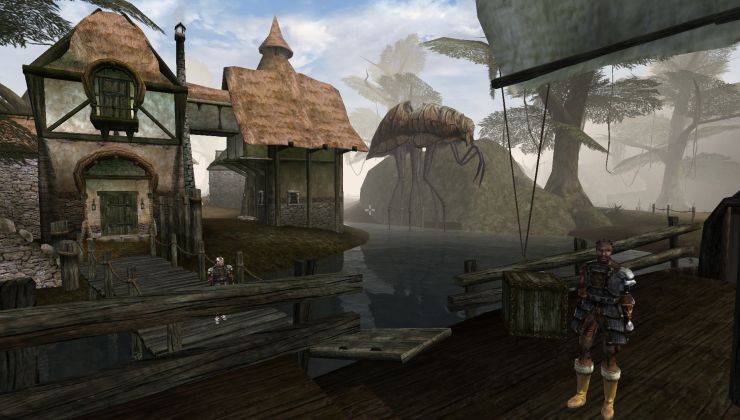 How to setup OpenMW for modern Morrowind on Linux / SteamOS and Steam Deck
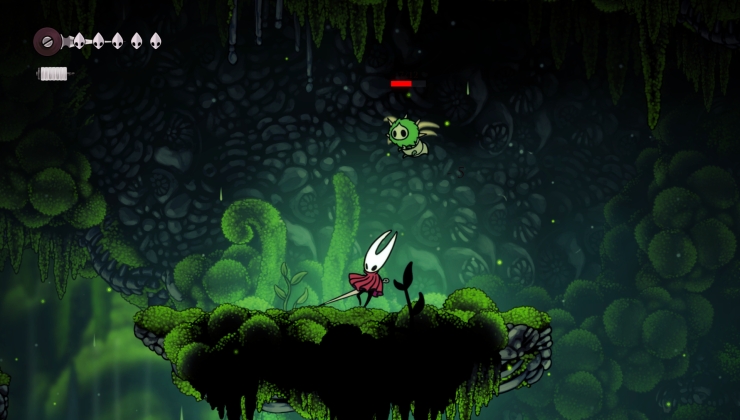 How to install Hollow Knight: Silksong mods on Linux, SteamOS and Steam Deck
Recently Updated
- Testing the VRAM valve patch
- Koopa - New Desktop Screenshot Thread
- tmtvl - Shop Crush - Psychological Horror Thrift Sim with Literal Illusio…
- hollowlimb - Proton/Wine Games Locking Up
- Caldathras - video buffer overflow
- LoudTechie - See more posts