A brand new hot off the press Linux kernel 7.1 has been released bringing with it all the latest new and improved hardware support.
From the release announcement
So it's only Sunday morning back home, but it's Sunday afternoon where I am right now, so I'm doing the 7.1 release at the regular time - just not in the regular timezone.
This obviously means that the merge window opens tomorrow, but I'll be in yet another timezone by then, so timing will all be a bit irregular. Normally I try to front-load the merge window and do as much as possible the first few days - this time I'm not sure that will work out with my laptop and a couple of long flights without internet, but I've made sure that I have fetched the early pull requests (thank you - you know who you are), so I will be able to do some of it off-line.
Anyway, possible slight hiccups in the merge window aside, the news today is 7.1. Below is the shortlog for the last week - nothing particularly interesting or scary stands out, which is as it should be. It's mostly various smaller driver updates (gpu, networking, sound, misc) with some networking and trace tooling fixes. And random minor changes elsewhere.
Please do keep testing despite the release, and apologies in advance if my merge window latency is going to be a bit random the next few days. I briefly considered just extending the release for a week, but decided it wasn't really worth it. I may come to regret that decision,
Linus
Unlike other open source projects you don't get some nice highlights with new kernel releases, this is mainly due to the insanely vast size of it, so we all have to sleuth over what we can gather from all the code requests sent in. You can see all the changes in the full technical changelog.
Some highlights of what we found:
- A brand new NTFS driver, but it's not the default (yet).
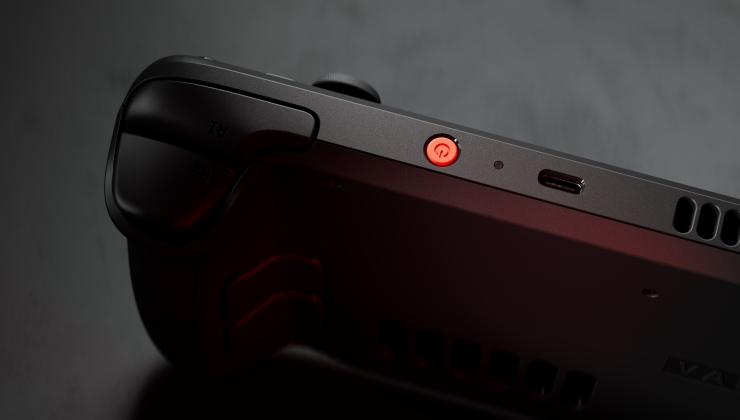
- A Steam Deck OLED audio fix.
- Improvements to the Intel Xe driver for handling memory pressure.
- More older AMD GPUs switched over to the modern AMDGPU driver.
- Improved support for the Lenovo Legion Go / Lenovo Legion Go S and Lenovo Legion Go 2.
- Improved support for the GPD Win 5.
- Better support for various Lenovo Yoga devices.
- The AMD P-State performance scaler gained some new tricks like support for Dynamic EPP (Energy Performance Preference) to swap laptops between performance profiles if plugged in or on battery power.
- A new macsmc-power driver for Apple Silicon - providing battery and AC status monitoring via the SMC (System Management Controller).





See more from me



 You can also find comments for this article on social media:
  Dmitri Seletski 3 hours ago

It is stuck on 3GHz at all times, or goes above under load. When lowest step on CPU is actually 600MHz.
Latest UEFI and all.
Passive is a way to go for me.

 Patreon
 PayPal