 Support us on Patreon
 PayPal
Latest Comments by gradyvuckovic
Godot Engine has more impressive progress towards Vulkan API support
2 May 2020 at 3:37 pm UTC Likes: 9
2 May 2020 at 3:37 pm UTC Likes: 9
Been working with Godot a lot lately, it's really awesome.
There's a lot planned on the horizon for Godot, including usability improvements after 4.0 which I'm really excited about, as I think that's probably going to be the final touch needed to really help Godot take off.
I think Godot has a great future ahead of it, and will become a serious player in the game engine space very soon, and as a result we'll see popular games made with it. Which will be great for Linux, Godot's Linux support is absolutely first class, not just an afterthought, so supporting Linux for games made in Godot is very easy for developers.
I think it will be a while before we see Godot used in the AAA game market, probably many many years, but I can easily foresee a few popular indie games made in Godot emerging in 2021. The engine is just perfect for indie devs.
Between Godot 4.0, Blender 2.9, Inkscape 1.0, Krita 5.0, and ArmorPaint 1.0, the FOSS toolkit for creatives emerging on the horizon is really exciting.
There's a lot planned on the horizon for Godot, including usability improvements after 4.0 which I'm really excited about, as I think that's probably going to be the final touch needed to really help Godot take off.
I think Godot has a great future ahead of it, and will become a serious player in the game engine space very soon, and as a result we'll see popular games made with it. Which will be great for Linux, Godot's Linux support is absolutely first class, not just an afterthought, so supporting Linux for games made in Godot is very easy for developers.
I think it will be a while before we see Godot used in the AAA game market, probably many many years, but I can easily foresee a few popular indie games made in Godot emerging in 2021. The engine is just perfect for indie devs.
Between Godot 4.0, Blender 2.9, Inkscape 1.0, Krita 5.0, and ArmorPaint 1.0, the FOSS toolkit for creatives emerging on the horizon is really exciting.
Steam Play Proton 5.0-7 is officially out - Street Fighter V and more now playable on Linux
2 May 2020 at 4:17 am UTC Likes: 7
2 May 2020 at 4:17 am UTC Likes: 7
Quoting: orochi_kyoCompletely agree on all points. It would be nice if we could live in a world where everyone is honest and everyone can develop software and games for free, or everyone just honourably paid a donation to whoever provides them entertainment. But that's just not compatible with the real world, I don't blame game devs for wanting to try to protect their products from piracy.Quoting: MohandevirI would like to see GoG integrate Proton in some form... Maybe offer proton wrapped versions of their Windows games, if at all possible. I'd be a lot more inclined to support them. Having to deal with Lutris or wine is not something that I look forward to...The thing is these anti-drm people don't get what DRM is about, practically you are asking developers to work on a "trust" system when they depend on the "goodwill" of people that they will not share the game you bought without DRM through any portable storage system to other people that didn't buy the game. It is like the disc/cassette era with the difference you still keep your copy of the game.
Most of you end of you ended any debate about this matter with the sentence "This is my choice" so as you want your opinion to be respected you should respect devs choices too, and if they decided they need at least some sort of protection, good for them, I completely agree.
I just played my steam TW3 copy without internet connection last week because of a mistake by the ISP, so this "argument" of players needing constantly internet to play their single-player games is just bogus.
But you GOG users keep wishing GOG will use proton, keep wishing more devs will release more games on that platform. My money is going at least to a company that makes things to happen, Valve, I live the reality, I can play windows games on my linux install with a single click.
You can keep dreaming that GOG will be a thing one day. Good Luck.
PS: Proton is open source, still needs someone to work on it, does GOG have the money, the interest or the people capable of doing the job? NO!
Quoting: legluondunetThis is why Linux gamers community should support Valve that invests a lot and support Linux OS. Stop buying your games on Origin, Uplay, Epic, Playstation....stores until they do the same.That's basically my position, I only buy games from Steam now. Steam is throwing everything at making Linux gaming happen, and everyone else is basically throwing nothing at Linux gaming. So hence my money is going to Valve every time, they're supporting us so I'm supporting them. Our success is mutually connected at this point, Valve's success is our success, our success is Valve's success.
I put GOG appart because they give support to Linux users at their level and they promote no drm games.
Wine 5.7 is out with more WineD3D Vulkan work, a start on a USB device driver
25 Apr 2020 at 8:14 am UTC Likes: 6
I'll add: I like that we have multiple levels of access to Wine/Proton for different types of gamers, from extreme powerusers to people who want a 1 click 'it works' level of support.
Poweruser? You can compile Wine/Proton yourself, pull in patches, and always be using the bleeding edge version every day. Or you can wait for something like GloriousEggroll to update and use that. Submit bug reports to help improve Wine/Proton, manually add support for things like media foundation video playback, complicated tweaks to add windows dlls for certain games. You can use Lutris instead of Steam, with Proton or Wine. As a result you might be able to play some games a few months before everyone else can and help improve Wine or Proton.
Just want a 1 click experience that 'just works'? No need to even know what 'Wine' is, you can just rely on Valve to keep the whitelist of Proton compatible games up to date, and regularly pull in updates of Wine into Proton, and do literally nothing. SteamPlay will then be automatically available for any game that's whitelisted to work well with Proton, click Install, click Play, zero difference to your windows gaming experience for the compatible games, zero ambiguity over what will or won't work.
Somewhere in between? If you have the slightest energy to go a step beyond that, can just tick a box in the settings of Steam and use Proton for every game. Launch a game and it doesn't work? Check ProtonDB to see if it needs a launch parameter to startup correctly. No need to go beyond that, and 75% of your games will work just fine with 60% never needing a tweak at all.
It's really great in terms of making the User Experience of gaming on Linux so much nicer and more in line with what average PC users would expect. Because most people just want a "1-click" experience. But at the same time it's great there's a "poweruser" option for everything as well, it means there's something for everyone.
So I love hearing about the latest Wine and Proton updates, every little change, as much as I love hearing about the latest stable release of Proton. It's a nice 'flow' that's developing, of improvements starting upstream and accessible to power users for them to test those changes, and gradually flowing out into a 1 click reliable user friendly experience months later.
25 Apr 2020 at 8:14 am UTC Likes: 6
It's simply incredible the Wine project exists and is as far along as this. Thanks to it we're often able to install and play AAA games, Windows-only programs and such directly on Linux. I remember discovering Wine shortly after my first run in with Linux, a very long time ago and eventually it getting to a stage where Steam and a game or two would just about run in it. How far it's come to now power Steam Play Proton—cheers to the Wine team!Absolutely agree.
I'll add: I like that we have multiple levels of access to Wine/Proton for different types of gamers, from extreme powerusers to people who want a 1 click 'it works' level of support.
Poweruser? You can compile Wine/Proton yourself, pull in patches, and always be using the bleeding edge version every day. Or you can wait for something like GloriousEggroll to update and use that. Submit bug reports to help improve Wine/Proton, manually add support for things like media foundation video playback, complicated tweaks to add windows dlls for certain games. You can use Lutris instead of Steam, with Proton or Wine. As a result you might be able to play some games a few months before everyone else can and help improve Wine or Proton.
Just want a 1 click experience that 'just works'? No need to even know what 'Wine' is, you can just rely on Valve to keep the whitelist of Proton compatible games up to date, and regularly pull in updates of Wine into Proton, and do literally nothing. SteamPlay will then be automatically available for any game that's whitelisted to work well with Proton, click Install, click Play, zero difference to your windows gaming experience for the compatible games, zero ambiguity over what will or won't work.
Somewhere in between? If you have the slightest energy to go a step beyond that, can just tick a box in the settings of Steam and use Proton for every game. Launch a game and it doesn't work? Check ProtonDB to see if it needs a launch parameter to startup correctly. No need to go beyond that, and 75% of your games will work just fine with 60% never needing a tweak at all.
It's really great in terms of making the User Experience of gaming on Linux so much nicer and more in line with what average PC users would expect. Because most people just want a "1-click" experience. But at the same time it's great there's a "poweruser" option for everything as well, it means there's something for everyone.
So I love hearing about the latest Wine and Proton updates, every little change, as much as I love hearing about the latest stable release of Proton. It's a nice 'flow' that's developing, of improvements starting upstream and accessible to power users for them to test those changes, and gradually flowing out into a 1 click reliable user friendly experience months later.
Manjaro needs testers for the upcoming Manjaro GNOME 20.0 release - Snap and Flatpak support OOTB
21 Apr 2020 at 12:16 pm UTC
At it's core, it's the same tech as Steam's runtime compatibility mode. There's no VM, no overhead, just lightweight containers as a way of logically sandboxing an application away from the OS so it can have it's own libraries.
You could argue there's additional startup time and memory usage from loading a couple of system libraries more than once, but in many cases the libraries being loaded more than once are libraries that the developers might have had to include with the 'native' version of the application anyway if they needed to target a specific version of the library, so any startup overhead or additional memory is debatable and really minor.
In the underlying tech there's a lot of cool stuff too that makes it very efficient. For example, in addition to sharing installations of runtimes, if two Flatpak applications bundle with them the same library, the library files will be stored only once for both applications, no additional storage space usage.
2) My understanding is that Flatpak applications can be made to respect system theme. I imagine many distros will choose to set this up by default themselves with their OOTB Flatpak coofigurations, but I understand you can install a system theme to Flatpak the same way you can to your distro, and applications will respect that.
3) I think it's great for distro maintainers as it frees up huge sums of their time and allows them to focus on the user experience of their distros rather than trying to maintain vast repositories of applications written by other people.
They can compete on delivering the best user interface they can provide, compete on delivering regular high quality updates and new features to their distros. Compete on performance of their OS, etc. Compete on ease of installation.
So there's still plenty of reason for them to exist and to compete. If it means a couple of unpopular distros become irrelevant because they offer nothing special that isn't available everywhere else, that's not the end of the world either, we probably don't need all 300+ active distributions. But I imagine all the popular distros will find ways to compete on user experience which benefits us all.
21 Apr 2020 at 12:16 pm UTC
Quoting: iiari1) In my experience I notice no difference in startup time or running speed. In 2018 there were reports of some overhead during the first run of a Flatpak application but that was due to a bug with the fontcache and it's been fixed ever since.Quoting: gradyvuckovicFlatpak out of the box?Great explanation, thanks. As someone who hated Snaps (and those plus unstable PPA's pushed me out of the Ubuntu ecosystem) I have a few questions for you:
Woohoo!
I'm loving the slow but steady adoption of Flatpak....
1) How are Flatpaks with speed? Snaps were soooo slooooow to launch.
2) Is native theming reflected in Flatpaks?
3) If Flatpaks conquer all, what kinda is the point of different distros anymore? They really do become only theming and software selection boutiques. In the best case scenario, as with Manjaro, they develop their own unique apps and workflows.
Thanks!
At it's core, it's the same tech as Steam's runtime compatibility mode. There's no VM, no overhead, just lightweight containers as a way of logically sandboxing an application away from the OS so it can have it's own libraries.
You could argue there's additional startup time and memory usage from loading a couple of system libraries more than once, but in many cases the libraries being loaded more than once are libraries that the developers might have had to include with the 'native' version of the application anyway if they needed to target a specific version of the library, so any startup overhead or additional memory is debatable and really minor.
In the underlying tech there's a lot of cool stuff too that makes it very efficient. For example, in addition to sharing installations of runtimes, if two Flatpak applications bundle with them the same library, the library files will be stored only once for both applications, no additional storage space usage.
2) My understanding is that Flatpak applications can be made to respect system theme. I imagine many distros will choose to set this up by default themselves with their OOTB Flatpak coofigurations, but I understand you can install a system theme to Flatpak the same way you can to your distro, and applications will respect that.
3) I think it's great for distro maintainers as it frees up huge sums of their time and allows them to focus on the user experience of their distros rather than trying to maintain vast repositories of applications written by other people.
They can compete on delivering the best user interface they can provide, compete on delivering regular high quality updates and new features to their distros. Compete on performance of their OS, etc. Compete on ease of installation.
So there's still plenty of reason for them to exist and to compete. If it means a couple of unpopular distros become irrelevant because they offer nothing special that isn't available everywhere else, that's not the end of the world either, we probably don't need all 300+ active distributions. But I imagine all the popular distros will find ways to compete on user experience which benefits us all.
Manjaro needs testers for the upcoming Manjaro GNOME 20.0 release - Snap and Flatpak support OOTB
21 Apr 2020 at 3:54 am UTC Likes: 2
21 Apr 2020 at 3:54 am UTC Likes: 2
Flatpak out of the box?
Woohoo!
I'm loving the slow but steady adoption of Flatpak.
I've been keeping track of how the distros are going in adopting it:
So far, distros with OOTB support:
Fedora: Flatpak OOTB, Flathub installed separately.
Endless OS: OOTB
Linux Mint: OOTB
CentOS: Flatpak OOTB, Flathub installed separately.
ElementaryOS: OOTB
PureOS: OOTB
And now we can add Manjaro to the list too.
And pretty much every major distro has Flatpak available as something that can be pretty easily installed separately. Give it time and eventually Flatpak will be everywhere.
The runtimes ensure newer applications work fine on older distributions, and older applications work fine on newer distributions, and any inconsistency between distributions are eliminated. For users, it means they can get their applications from one hub (Flathub) on all Linux OSes the same way and have a consistent user experience across the entire Linux landscape.
Woohoo!
I'm loving the slow but steady adoption of Flatpak.
I've been keeping track of how the distros are going in adopting it:
So far, distros with OOTB support:
Fedora: Flatpak OOTB, Flathub installed separately.
Endless OS: OOTB
Linux Mint: OOTB
CentOS: Flatpak OOTB, Flathub installed separately.
ElementaryOS: OOTB
PureOS: OOTB
And now we can add Manjaro to the list too.
And pretty much every major distro has Flatpak available as something that can be pretty easily installed separately. Give it time and eventually Flatpak will be everywhere.
Quoting: aokamiI fled gnome shell from Debian but it's coming after me, help!The advantages are, it's one universal system which can be used across all Linux distributions for distributing applications from developers to users. Applications come in a package, specifying what Flatpak runtime they need to be executed with, and if the runtime isn't already installed then it's automatically installed. It also puts developers in control of pushing out their own updates when they want, and allows users to get updates immediately instead of waiting for their distro maintainer to get around to updating the software package on their distro's repository.
On a serious note though would anyone teach me what is the advantage of snap and flatpack ? I always thought packaging libraries versions would open the way for flaws and exploits, is it neatly contained from the system ?
The runtimes ensure newer applications work fine on older distributions, and older applications work fine on newer distributions, and any inconsistency between distributions are eliminated. For users, it means they can get their applications from one hub (Flathub) on all Linux OSes the same way and have a consistent user experience across the entire Linux landscape.
Wine 5.6 is out today with Media Foundation additions, more modules converted to PE format
14 Apr 2020 at 2:29 pm UTC Likes: 1
14 Apr 2020 at 2:29 pm UTC Likes: 1
Consider the consequences of Proton making it possible to bypass anticheat and DRM. Consider what the reaction would be from Developers upon learning Proton is a means of defeating their anticheat and DRM technology.
Say goodbye to being able to play games via Proton at all.
Look, I'm a simple person, I want to be able to play Windows games on Linux. DRM and Anticheat are separate issues for me. I want Proton to be able to play all games as they are. If a developer has decided to shove DRM into a game, that's unfortunate, but if I really want to play it I will.
If you choose to never install DRM and Anticheat because of your concerns over what that technology can do on your PC, then you can choose to never install those games that use that technology, on either Windows, Linux, or Linux via Proton.
Proton can not remove DRM/Anticheat from games for you, nor should you ask that Proton remain unable to play games that have DRM/Anticheat, because there are people who don't agree with you on that.
Say goodbye to being able to play games via Proton at all.
Look, I'm a simple person, I want to be able to play Windows games on Linux. DRM and Anticheat are separate issues for me. I want Proton to be able to play all games as they are. If a developer has decided to shove DRM into a game, that's unfortunate, but if I really want to play it I will.
If you choose to never install DRM and Anticheat because of your concerns over what that technology can do on your PC, then you can choose to never install those games that use that technology, on either Windows, Linux, or Linux via Proton.
Proton can not remove DRM/Anticheat from games for you, nor should you ask that Proton remain unable to play games that have DRM/Anticheat, because there are people who don't agree with you on that.
Wine 5.6 is out today with Media Foundation additions, more modules converted to PE format
11 Apr 2020 at 4:20 am UTC Likes: 2
11 Apr 2020 at 4:20 am UTC Likes: 2
Loving it, work being done on the three things Proton needs most, MF, DRM and AntiCheat. I'm sure it's all adding up to something bigger, these three challenges are no doubt too big for a single change to occur to make them possible, they're probably chipping away at the problem with each update like this. Would love to know what their plan is, how far along they are with it.
Google opens a second studio to develop Stadia games - The Division 2 this month and more
4 Mar 2020 at 9:09 pm UTC Likes: 3
4 Mar 2020 at 9:09 pm UTC Likes: 3
More games I won't be able to play because they will be exclusive to a platform that isn't available in Australia and impossible to access from Australia. Exclusivity is just so fun isn't it?
Steam hit another all-time high for concurrent users - as did Counter-Strike: Global Offensive
9 Feb 2020 at 9:18 pm UTC Likes: 2
9 Feb 2020 at 9:18 pm UTC Likes: 2
And as the number of Steam gamers increases, the number of Steam Linux gamers increases.
It's great news. Goes to show simply buying exclusives isn't enough to win over gamers. Apparently having a shopping cart does make a difference!
It's great news. Goes to show simply buying exclusives isn't enough to win over gamers. Apparently having a shopping cart does make a difference!
Proton 5.0 for Steam Play released - it's a huge update (updated)
8 Feb 2020 at 1:49 am UTC Likes: 2
8 Feb 2020 at 1:49 am UTC Likes: 2
Amazing work as always Valve. Looking forward to trying out some games with Proton 5.0 to see what's improved and doing some ProtonDB reports.
- Blender change the Anthropic AI funding deal, with discussions planned for AI Policies
- Steam Survey for April 2026 shows Linux still trending well
- Steam Controller more popular than Valve expected - they're working on stock issues
- Expanded AMD HDMI 2.1 support is coming to Linux
- Wine 11.8 brings updates for Mono, MSXML, VBScript and more
- > See more over 30 days here
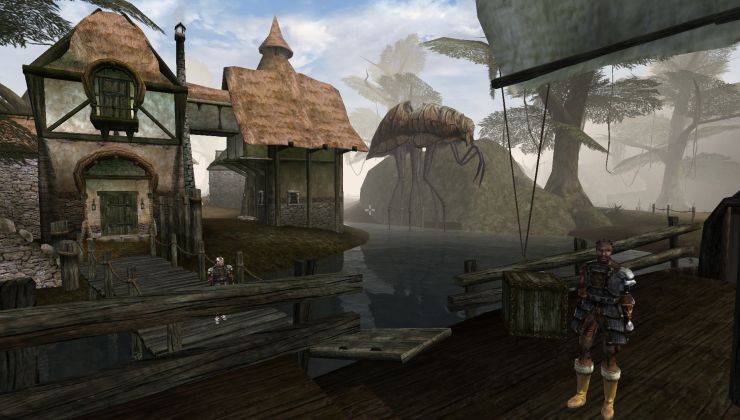 How to setup OpenMW for modern Morrowind on Linux / SteamOS and Steam Deck
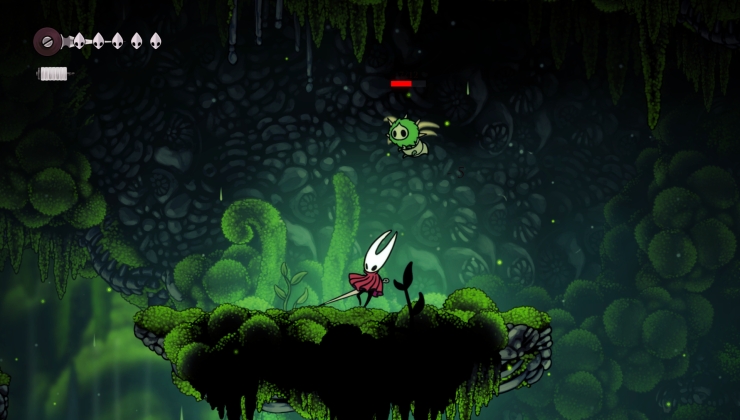 How to install Hollow Knight: Silksong mods on Linux, SteamOS and Steam Deck
Recently Updated
- Feedback needed - future website updates
- Liam Dawe - Steam Deck desktop mode localization
- on_en_a_gros - Why most people are approaching the xz-attack wrong.
- LoudTechie - Lutris alternatives
- sourpuz - Welcome back to the GamingOnLinux Forum
- sourpuz - See more posts