 Support us on Patreon
 PayPal
Latest Comments by Shmerl
Nearly five years after the Kickstarter, Carmageddon still isn’t on Linux despite the stretch goal being reached
20 Jan 2017 at 12:06 am UTC Likes: 1
20 Jan 2017 at 12:06 am UTC Likes: 1
Never heard of those developers, but I remember the original Carmageddon [External Link].
Ignoring backers though, who didn't get the product after 5 years(!) and giving non answers is really bad behavior.
Ignoring backers though, who didn't get the product after 5 years(!) and giving non answers is really bad behavior.
Some thoughts on switching from Ubuntu to Antergos for Linux gaming
19 Jan 2017 at 6:48 pm UTC Likes: 4
19 Jan 2017 at 6:48 pm UTC Likes: 4
Now you also can avoid the whole Mir mess, and go along with Wayland transition.
Check out this video about porting games to Linux from our contributor Cheeseness
19 Jan 2017 at 6:00 pm UTC
19 Jan 2017 at 6:00 pm UTC
Quoting: CheesenessNo reason beyond those being the first to come to my mind (probably because I've used Theora and Vorbis in projects before). It was definitely not intended as any sort of comparison of or statement about those projects relative value.I was kind of curious, when Opus will be used in games, but so far I didn't spot it, except surprisingly for the Witcher 2, which uses Opus' predecessor CELT [External Link] for audio.
Check out this video about porting games to Linux from our contributor Cheeseness
19 Jan 2017 at 5:09 pm UTC
19 Jan 2017 at 5:09 pm UTC
Quoting: CheesenessCheers!On the screen about tools, why do you list Theora and Vorbis instead of let's say VP9 and Opus which are far better?
Wine Staging 2.0-rc5 released, better support for Origin, GOG Galaxy and more
18 Jan 2017 at 5:44 pm UTC Likes: 1
18 Jan 2017 at 5:44 pm UTC Likes: 1
Yes, GOG installers behave much better with this Wine release.
Here’s some interesting answers from Gabe Newell and Valve from the reddit AMA
18 Jan 2017 at 1:10 am UTC Likes: 1
18 Jan 2017 at 1:10 am UTC Likes: 1
Quoting: edoNo linux-related answers, that makes me suspicious.Yep, sounds fishy. But while Valve are hiring developers to work on Mesa - there is still hope.
Here’s some interesting answers from Gabe Newell and Valve from the reddit AMA
18 Jan 2017 at 1:08 am UTC Likes: 2
18 Jan 2017 at 1:08 am UTC Likes: 2
Kudos for VR standards push (I didn't know about Valve being behind the effort). No Q&A about Linux though?
The release of Mesa 17 has seen a bit of a delay, for all the right reasons
17 Jan 2017 at 9:21 pm UTC Likes: 1
So, in the open stack, there are for example amdgpu (kernerl driver for AMD), and radeonsi / radv, implementations of OpenGL and Vulkan respectively. Usually, name "Mesa driver" refers to OpenGL / Vulkan implementations.
17 Jan 2017 at 9:21 pm UTC Likes: 1
Quoting: 3qET7rL9BdFormally speaking, I wouldn't call anything besides the kernel part a "driver". This confuses and complicates understanding. Driver is normally responsible for interfacing the hardware to the operating system. The rest are already various libraries and implementations of APIs which interact with the driver and OS.Quoting: dodrianCould someone explain...The Nvidia proprietary drivers you mention consists of different parts.
- Kernel driver
- Xorg driver
- OpenGL driver
- Vulkan driver
So, in the open stack, there are for example amdgpu (kernerl driver for AMD), and radeonsi / radv, implementations of OpenGL and Vulkan respectively. Usually, name "Mesa driver" refers to OpenGL / Vulkan implementations.
Lost Eden, the 1995 adventure game released on GOG with Linux support thanks to DOSBox
17 Jan 2017 at 9:17 pm UTC
17 Jan 2017 at 9:17 pm UTC
I've never played it, but it looks interesting.
@liamdawe: I see you switched to KDE?-)
@liamdawe: I see you switched to KDE?-)
Linux market-share on Steam dropped 0.08% in December 2016
16 Jan 2017 at 10:27 pm UTC Likes: 1
16 Jan 2017 at 10:27 pm UTC Likes: 1
I'd say gaming contributes to Linux usage growth in a big way, so relative percentage of Linux gamers is probably higher than relative percentage of Windows gamers.
- PlayStation 3 emulator RPCS3 can now auto-configure games for you
- Playnix launch their own Steam Machine-like Linux gaming console
- Wine 11.7 released with DirectSound 7.1 support, VBScript improvements, MSXML updates
- The first major update for Slay the Spire 2 is out now
- Death Stranding 2 patch 1.4 should make it look better on lower settings
- > See more over 30 days here
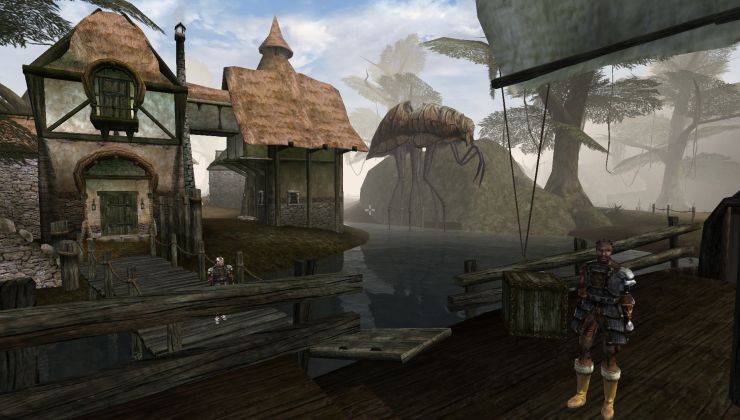 How to setup OpenMW for modern Morrowind on Linux / SteamOS and Steam Deck
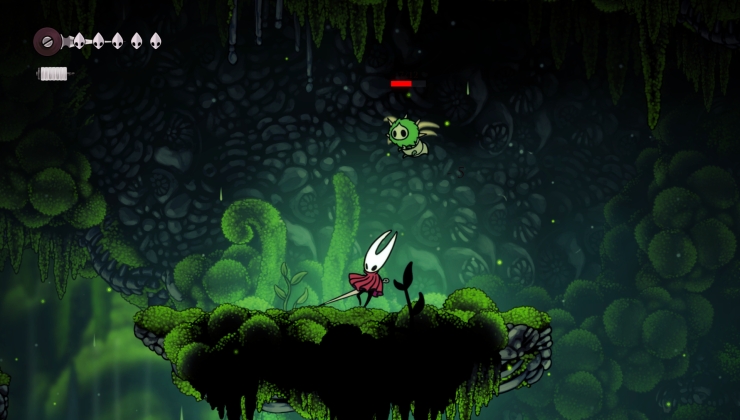 How to install Hollow Knight: Silksong mods on Linux, SteamOS and Steam Deck
- Steam achievement conundrum
- Auster - Do you miss LaunchBox/Playnite on Linux?
- Dark574 - Testing the VRAM valve patch
- Avehicle7887 - Away all of next week
- Liam Dawe - New Desktop Screenshot Thread
- tmtvl - See more posts