 Support us on Patreon
 PayPal
Latest Comments by Mohandevir
AMD confident in Zen 3 CPUs and RDNA 2 GPUs launching in 2020
30 Jul 2020 at 1:05 pm UTC Likes: 1
BTW...
https://www.notebookcheck.net/More-evidence-points-towards-AMD-s-RDNA2-Big-Navi-superiority-over-Nvidia-s-high-end-Ampere-RTX-3000-GPUs.482368.0.html [External Link]
On AMD's RTX version (Radeon Rays):
https://www.phoronix.com/scan.php?page=news_item&px=Radeon-Rays-4.0-Released [External Link]
Obviously, performances are still to be proven, but RTX is on the way to RDNA2 and if it's still to be believed:
"In November 2018, David Wang, AMD’s senior vice president of engineering at the Radeon Technologies Group, told 4Gamer, “Utilization of ray tracing games will not proceed unless we can offer ray tracing in all product ranges from low end to high end.”"
... We might end up with a Radeon Rays RDNA 2 sub 300$ AMD GPU before long.
Source:
https://www.digitaltrends.com/computing/what-amd-plans-ray-tracing/ [External Link]
In the meanwhile, believe me, I'll turn off RTX without a second tought, if it's possible (if it ever shows up on non supported gpus).
30 Jul 2020 at 1:05 pm UTC Likes: 1
Quoting: TheRiddickAllot of people think RTX and NGX is nonsense-ware but a rude awakening is going to hit them hard in 2021 and 2022! (maybe even late 2020).I never said RTX won't become mainstream, but if it requires à 450$+ GPU, I'm bailing out. For me, flashy graphics is a nice to have, but should not be a necessity. Many AAA studios bet on the biggest and greatest graphics, but put much less effort in content and gameplay. I'll get into RTX, when it will be available for entry level gaming GPU, not before that. That's probably why AMD said it wasn't ready for Prime time and it's not all games that will use it, not for a couple of years still.
BTW...
https://www.notebookcheck.net/More-evidence-points-towards-AMD-s-RDNA2-Big-Navi-superiority-over-Nvidia-s-high-end-Ampere-RTX-3000-GPUs.482368.0.html [External Link]
On AMD's RTX version (Radeon Rays):
https://www.phoronix.com/scan.php?page=news_item&px=Radeon-Rays-4.0-Released [External Link]
Obviously, performances are still to be proven, but RTX is on the way to RDNA2 and if it's still to be believed:
"In November 2018, David Wang, AMD’s senior vice president of engineering at the Radeon Technologies Group, told 4Gamer, “Utilization of ray tracing games will not proceed unless we can offer ray tracing in all product ranges from low end to high end.”"
... We might end up with a Radeon Rays RDNA 2 sub 300$ AMD GPU before long.
Source:
https://www.digitaltrends.com/computing/what-amd-plans-ray-tracing/ [External Link]
In the meanwhile, believe me, I'll turn off RTX without a second tought, if it's possible (if it ever shows up on non supported gpus).
Designed for big-screen TV gaming, the SteamOS-like 'GamerOS' has a new release
29 Jul 2020 at 8:14 pm UTC
http://repo.steamstatic.com/steamos-clockwerk/ [External Link]
29 Jul 2020 at 8:14 pm UTC
Quoting: slaapliedjeThe answer is in my initial comment.Quoting: MohandevirPlagman was quite clear that they were seriously considering an alternative to Debian. SteamOS 2.0 is based on Debian 8, which is now eol and SteamOS 3.0 (Debian 9) was never released:Also, I thought they had a beta on 9 or 10?
https://www.gamingonlinux.com/articles/seems-valve-do-intend-to-go-back-to-steamos-at-some-point.16291
http://repo.steamstatic.com/steamos-clockwerk/ [External Link]
Free and open source 3D creation suite Blender gets funding from Microsoft
29 Jul 2020 at 4:22 pm UTC Likes: 5
29 Jul 2020 at 4:22 pm UTC Likes: 5
Personnally, I would like to see something similar happen to the likes of FreeCAD or any other CAD software...
AMD confident in Zen 3 CPUs and RDNA 2 GPUs launching in 2020
29 Jul 2020 at 2:42 pm UTC Likes: 1
They tend to forget that there is a world beside that and they think you are "unworthy" if you don't abide by those guidelines. :wink:
1080p, no RTX. That's my target. If the game supports this (which should be the case), I expect the requirements will be much lower... Just my two cents.
29 Jul 2020 at 2:42 pm UTC Likes: 1
Quoting: The_AquabatPC requirements --> 4k, RTX.Quoting: Duke Takeshisince I guess a lot of gamers will upgrade their PCs for Cyberpunk 2077requirements on Cyberpunk 2077 are pure speculation of gaming news sites, if the game will run on PS 4, not sure what they are basing those guesses on. Maybe because Witcher 3 at it's release was a very demanding game? not sure it will be the same this time, now games tend to be more flexible allowing you to downgrade the details to be able to run on not so powerful hardware.
PS4 will still be very relevant because now that PS5 is coming the trend is that PS4 will be very cheap, and when that happens probably it will be the most owned platform on the world.
They tend to forget that there is a world beside that and they think you are "unworthy" if you don't abide by those guidelines. :wink:
1080p, no RTX. That's my target. If the game supports this (which should be the case), I expect the requirements will be much lower... Just my two cents.
What play button have you been clicking on lately?
27 Jul 2020 at 5:58 pm UTC
Already tried it, same problem... I will give it another shot now that I'm on GamerOS... Who knows? Maybe...
Thanks anyway.
27 Jul 2020 at 5:58 pm UTC
Quoting: XpanderYou mean put "DisableAsyncCompute=1"?Quoting: MohandevirJust Cause 4 and Rage 2.turn off async compute from the config files.
Rage 2 seems impossible to play... The game keeps on crashing every 15mins or so, no natter what I try in the launch options or in the graphic settings. Not really enjoyable, even tough I like the game.
~/SteamLibrary/steamapps/compatdata/548570/pfx/drive_c/users/steamuser/Saved Games/id Software/Rage 2/settings.ini
zero crashes like that
Already tried it, same problem... I will give it another shot now that I'm on GamerOS... Who knows? Maybe...
Thanks anyway.
What play button have you been clicking on lately?
27 Jul 2020 at 1:38 pm UTC
27 Jul 2020 at 1:38 pm UTC
Just Cause 4 and Rage 2.
Rage 2 seems impossible to play... The game keeps on crashing every 15mins or so, no natter what I try in the launch options or in the graphic settings. Not really enjoyable, even tough I like the game.
Rage 2 seems impossible to play... The game keeps on crashing every 15mins or so, no natter what I try in the launch options or in the graphic settings. Not really enjoyable, even tough I like the game.
Designed for big-screen TV gaming, the SteamOS-like 'GamerOS' has a new release
24 Jul 2020 at 8:32 pm UTC
24 Jul 2020 at 8:32 pm UTC
Quoting: Purple Library GuyOr, since GamerOS is bulding some Steam... VigorOS? :wink:Quoting: LinuxeridkQuoting: MohandevirBeeePOS!Hmmm . . . something kind of like SteamOS . . . I know!!!
Like in "Beep! OS"? Or in "Bee Positive OS"? or in "Biiig Picture OS"?
Nevermind! :grin:
Sériously, finding a name for that OS, that is not SteamOS, considering what it does, is not an easy task, if you want a significant name. It does some retro gaming, else it is dedicated to Steam...
I give you: VaporOS! :tongue:
Designed for big-screen TV gaming, the SteamOS-like 'GamerOS' has a new release
24 Jul 2020 at 7:00 pm UTC
24 Jul 2020 at 7:00 pm UTC
Plagman was quite clear that they were seriously considering an alternative to Debian. SteamOS 2.0 is based on Debian 8, which is now eol and SteamOS 3.0 (Debian 9) was never released:
https://www.gamingonlinux.com/articles/seems-valve-do-intend-to-go-back-to-steamos-at-some-point.16291
Seems quite indicative to me:
"I wouldn't expect much more movement on Debian-based Brewmaster at this point, however."
https://www.gamingonlinux.com/articles/seems-valve-do-intend-to-go-back-to-steamos-at-some-point.16291
Seems quite indicative to me:
"I wouldn't expect much more movement on Debian-based Brewmaster at this point, however."
Designed for big-screen TV gaming, the SteamOS-like 'GamerOS' has a new release
24 Jul 2020 at 12:58 pm UTC Likes: 2
https://vaporos.net/ [External Link]
24 Jul 2020 at 12:58 pm UTC Likes: 2
Quoting: Purple Library GuyI guess many of the GoL community members are already aware, but for the record...Quoting: LinuxeridkQuoting: MohandevirBeeePOS!Hmmm . . . something kind of like SteamOS . . . I know!!!
Like in "Beep! OS"? Or in "Bee Positive OS"? or in "Biiig Picture OS"?
Nevermind! :grin:
Sériously, finding a name for that OS, that is not SteamOS, considering what it does, is not an easy task, if you want a significant name. It does some retro gaming, else it is dedicated to Steam...
I give you: VaporOS! :tongue:
https://vaporos.net/ [External Link]
Designed for big-screen TV gaming, the SteamOS-like 'GamerOS' has a new release
23 Jul 2020 at 7:00 pm UTC Likes: 1
23 Jul 2020 at 7:00 pm UTC Likes: 1
BeeePOS!
Like in "Beep! OS"? Or in "Bee Positive OS"? or in "Biiig Picture OS"?
Nevermind! :grin:
Seriously, finding a name for that OS, that is not SteamOS, considering what it does, is not an easy task, if you want a significant name. It does some retro gaming, else it is dedicated to Steam...
Like in "Beep! OS"? Or in "Bee Positive OS"? or in "Biiig Picture OS"?
Nevermind! :grin:
Seriously, finding a name for that OS, that is not SteamOS, considering what it does, is not an easy task, if you want a significant name. It does some retro gaming, else it is dedicated to Steam...
- Legendary, the free and open source Epic Games Launcher, has moved to a new organisation
- Valve dev fixes up VRAM management on AMD GPUs to improve performance
- Bazzite Linux gets some major upgrades for the April 2026 Update
- Godot gets a funding boost from Slay the Spire 2 devs Mega Crit
- Proton Experimental brings fixes for classic Resident Evil 1 & 2, Dino Crisis 1 & 2 and more
- > See more over 30 days here
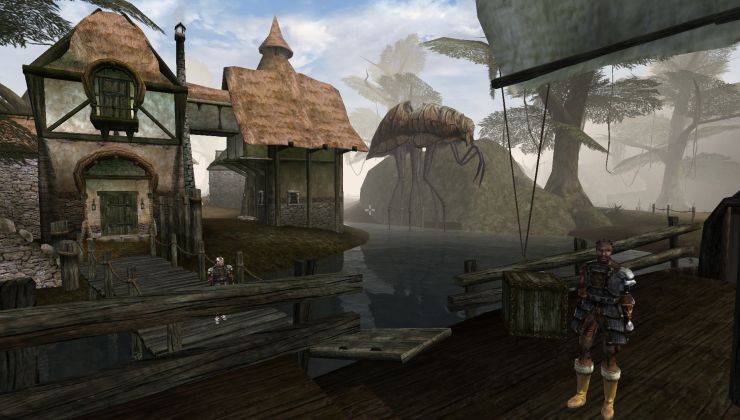 How to setup OpenMW for modern Morrowind on Linux / SteamOS and Steam Deck
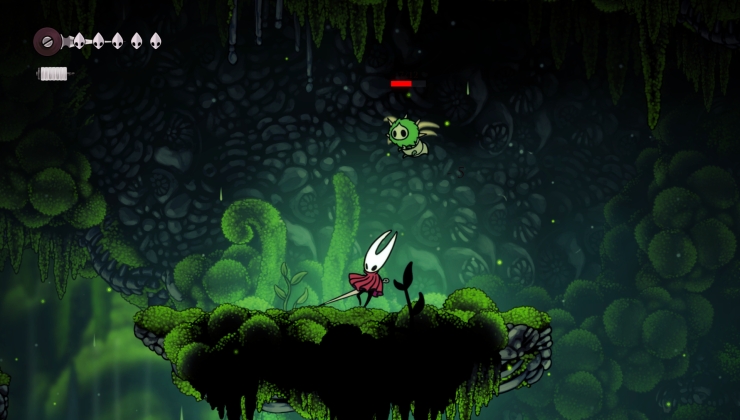 How to install Hollow Knight: Silksong mods on Linux, SteamOS and Steam Deck
- Proton/Wine Games Locking Up
- tuubi - Away all of next week
- Ehvis - The Great Android lockdown of 2026.
- Linux_Rocks - Lutris alternatives
- Caldathras - What Multiplayer Shooters are yall playing?
- Strigi - See more posts