 Support us on Patreon
 PayPal
Latest Comments by Purple Library Guy
Steam store home page gets a refresh in Beta, plus another Linux SteamRT3 Beta fix
4 Apr 2026 at 12:01 am UTC
4 Apr 2026 at 12:01 am UTC
Quoting: Xpanderand yeah i agree that having line of text from one end 16:9 sceeen to another is not ideal either but at least double the current squished size would be good.And I was thinking, "Wait, it takes up way more than half the scr--oh." I always read most websites zoomed in multiple times because print is too small, so the text takes up a wider portion of the screen for me.
OpenGOAL project adds the Naughty Dog classic Jak 3
3 Apr 2026 at 11:48 pm UTC
3 Apr 2026 at 11:48 pm UTC
I keep seeing that as "OwnGOAL" . . .
Steam Beta adds Remote Downloads Management
3 Apr 2026 at 11:45 pm UTC
3 Apr 2026 at 11:45 pm UTC
I really never pay much attention to the downloading except when I'm installing a game I intend to play in a minute. For the rest . . . it happens at some point. I guess part of it is that I've never really wrapped my brain around the idea that a game is something that gets updates. Intellectually I know it happens a lot now, but my gut says that when I buy a Steam game and download it, that's like buying a box with a CD in it back in the day . . . I have the game now and that's that.
Linux smashes past 5% on the Steam Survey for the first time
3 Apr 2026 at 5:54 am UTC Likes: 1
Plus, frankly the majority of Linux gamers are on Steam. I think you're an outlier.
3 Apr 2026 at 5:54 am UTC Likes: 1
Quoting: PoliticsOfStarvingIs it even an accurate way to measure Linux gaming? For the last two years or so, I don't even bother installing steam, I just go straight to heroic.I don't think that matters much. There are Linux gamers outside of Steam, but there are also Windows gamers outside of Steam (e.g. my grandkids who only play Roblox) . . . and actually a disproportionate number of Mac gamers outside of Steam, because they probably use the Mac app store. I don't think we have any evidence that would support the idea that the percentage of Linux gamers on Steam is misleading because there are disproportionate numbers of non-Steam Linux gamers.
Plus, frankly the majority of Linux gamers are on Steam. I think you're an outlier.
The US Patent Office have rejected a Nintendo Pokemon patent for summoning subcharacters
2 Apr 2026 at 7:17 pm UTC Likes: 4
2 Apr 2026 at 7:17 pm UTC Likes: 4
I guess the patent office isn't allowed to just say "No, this is stupid!"
Linux smashes past 5% on the Steam Survey for the first time
2 Apr 2026 at 7:09 pm UTC Likes: 2
2 Apr 2026 at 7:09 pm UTC Likes: 2
Well. This is probably some kind of mistake, but I'll bask in it.
I remember when Linux was 1% on desktop in general, 0.01% for gaming. In those days Mac was generally described as 5%. So, we're (in theory) now at the point Mac was when it was the competitor to Windows. That should be enough for a bit of hardware support, eh?
11% for English speaking . . . that's insane. But, once again says to me that something needs to be done about China not doing Linux.
I remember when Linux was 1% on desktop in general, 0.01% for gaming. In those days Mac was generally described as 5%. So, we're (in theory) now at the point Mac was when it was the competitor to Windows. That should be enough for a bit of hardware support, eh?
11% for English speaking . . . that's insane. But, once again says to me that something needs to be done about China not doing Linux.
NVIDIA announce a preview of "DRM Per-Plane Color Pipeline API" support on Linux (good for HDR)
2 Apr 2026 at 6:45 am UTC Likes: 2
2 Apr 2026 at 6:45 am UTC Likes: 2
Quoting: PhiladelphusWhat does DRM stand for in this case? Because I read it as Digital Rights Management, and I couldn't figure out from the headline if NVIDIA announcing something about "DRM Per-Plane Color" on April 1 was the height of April Fools, or a new depressing reality.I have a feeling it's something else. Really, acronyms kind of suck, and they're worse in the internet era because they're so impossible to search.
As expected - Slay the Spire 2 leads the way for the most played Steam Deck games for March 2026
2 Apr 2026 at 2:34 am UTC Likes: 1
2 Apr 2026 at 2:34 am UTC Likes: 1
I've been playing Neoverse, that rather Slay-the-Spire-like game except the characters you play are anime girls. It's fun.
And, I've been playing Lamplighters League. As a turn-based tactics game with unsurprising similarities to Shadowrun it's totally my kind of thing. And I like the dieselpunk-with-creepy-magic setting, and like the story fairly well. There are some definitely annoying things, the worst for me being that especially if you have an attack that is shooting multiple targets, it can sometimes be really hard or even impossible to force it to target the enemies you want. To be clear, this is a game glitch, not a design decision, which is generally what the problems are. Pity it's abandoned or they might have fixed that. For me it's still quite fun despite rough edges, but I won't guarantee other people would agree.
On that ranking list, I find it interesting that #23, the Elder Scrolls one, is Unsupported. Must be a pretty good Unsupported to be hitting the rankings.
And, I've been playing Lamplighters League. As a turn-based tactics game with unsurprising similarities to Shadowrun it's totally my kind of thing. And I like the dieselpunk-with-creepy-magic setting, and like the story fairly well. There are some definitely annoying things, the worst for me being that especially if you have an attack that is shooting multiple targets, it can sometimes be really hard or even impossible to force it to target the enemies you want. To be clear, this is a game glitch, not a design decision, which is generally what the problems are. Pity it's abandoned or they might have fixed that. For me it's still quite fun despite rough edges, but I won't guarantee other people would agree.
On that ranking list, I find it interesting that #23, the Elder Scrolls one, is Unsupported. Must be a pretty good Unsupported to be hitting the rankings.
French consumer group UFC-Que Choisir sues Ubisoft over The Crew shutdown
31 Mar 2026 at 7:18 pm UTC Likes: 7
31 Mar 2026 at 7:18 pm UTC Likes: 7
I can't believe nobody's taking Ubisoft's side here . . . hang on, yes I can.
Diablo 2-inspired auto-battle dungeon crawler Skull Horde launches April 10
31 Mar 2026 at 7:07 pm UTC
31 Mar 2026 at 7:07 pm UTC
seek revenge against your own body after it betrayed you.What.
- Linux smashes past 5% on the Steam Survey for the first time
- Framework becomes a KDE Patron helping to fund open source
- Ubuntu MATE seeking maintainers as the creator looks to move on
- Facepunch signed a license with Valve to allow standalone releases from s&box
- OldUnreal release new preview update for the classic Unreal Tournament 2004
- > See more over 30 days here
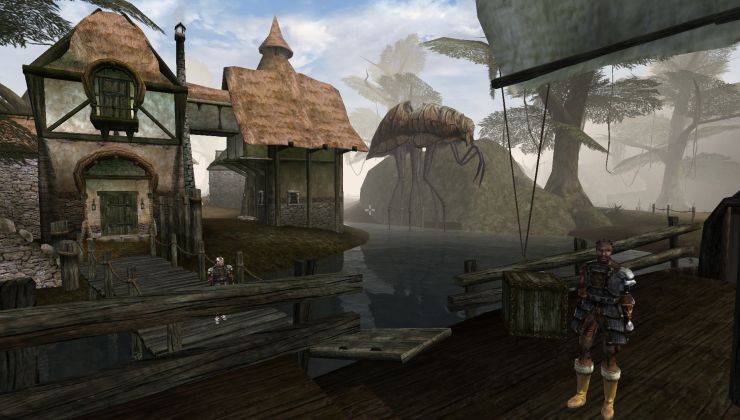 How to setup OpenMW for modern Morrowind on Linux / SteamOS and Steam Deck
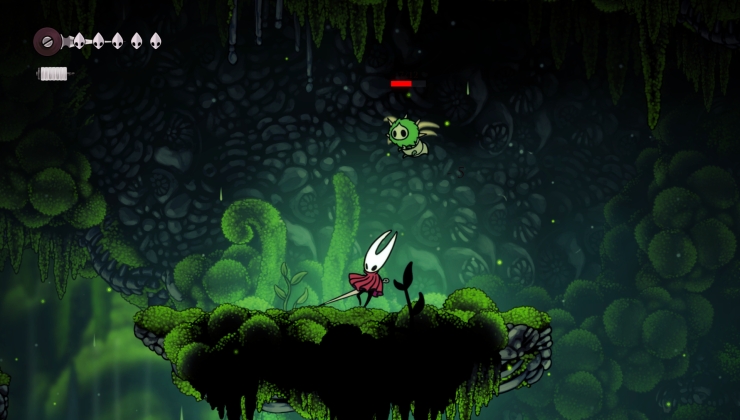 How to install Hollow Knight: Silksong mods on Linux, SteamOS and Steam Deck
- Away all of next week
- GustyGhost - The Great Android lockdown of 2026.
- Auster - What Multiplayer Shooters are yall playing?
- Liam Dawe - Proton/Wine Games Locking Up
- Caldathras - What have you been playing recently?
- Strigi - See more posts