 Support us on Patreon
 PayPal
Latest Comments by Hamish
Building a Retro Linux Gaming Computer - Part 17: The Llama Master
20 Jun 2022 at 6:30 pm UTC Likes: 3
20 Jun 2022 at 6:30 pm UTC Likes: 3
Another review of the game on Linux can be found here:
http://mrsneeze.com/games/reviews/theocracy/index.html [External Link]
And more information on the corrupted saved game issue can be read here:
https://www.neoseeker.com/forums/6456/t1748995-load-error-768/ [External Link]
http://mrsneeze.com/games/reviews/theocracy/index.html [External Link]
And more information on the corrupted saved game issue can be read here:
https://www.neoseeker.com/forums/6456/t1748995-load-error-768/ [External Link]
Baldur's Gate: Dark Alliance II arrives on Steam 'this Summer' with Linux support
15 Jun 2022 at 12:19 am UTC Likes: 3
15 Jun 2022 at 12:19 am UTC Likes: 3
Store page on GOG.com is up with all three platforms listed:
https://www.gog.com/en/game/baldurs_gate_dark_alliance_ii [External Link]
https://www.gog.com/en/game/baldurs_gate_dark_alliance_ii [External Link]
Baldur's Gate: Dark Alliance II arrives on Steam 'this Summer' with Linux support
10 Jun 2022 at 10:17 pm UTC Likes: 5
10 Jun 2022 at 10:17 pm UTC Likes: 5
I am still waiting on my finances to be in better shape before I pick up the first Dark Alliance. $38 CAD is quite a lot for a 20 year old game, even if I am willing to spend more for a native Linux version.
GOG Summer Sale now live with new releases from SEGA
7 Jun 2022 at 6:30 pm UTC Likes: 3
7 Jun 2022 at 6:30 pm UTC Likes: 3
Quoting: GuestI'm BTW always unwrapping the GOG dosbox games to use my systems dosbox. Not to save disk space, but I use dosbox-staging which is much better in handling fullscreen and non-standard screen resolutions...In my case I built DOSBox Staging and then just dropped it over the DOSBox binaries provided by the GOG.com installers which also works seamlessly. DOSBox Staging gives a huge performance improvement in Build engine games like Blood, so it is something GOG.com themselves should really consider adopting. Yes, I know, BloodGDX, NBlood, and Raze are a thing, but I am becoming more and more of a purist with age... :whistle:
After a long wait, Psychonauts 2 has an official Linux version now
30 May 2022 at 5:27 pm UTC Likes: 1
30 May 2022 at 5:27 pm UTC Likes: 1
Quoting: HamishI am assuming it is just the verification process on GOG.com slowing things down as usualAnd yep, GOG.com has all three versions up now.
After a long wait, Psychonauts 2 has an official Linux version now
27 May 2022 at 4:52 pm UTC Likes: 2
27 May 2022 at 4:52 pm UTC Likes: 2
I am assuming it is just the verification process on GOG.com slowing things down as usual, but just in case I decided to check what Humble Store was offering:
How exactly is one supposed to parse this platform list? It's internally inconsistent.
How exactly is one supposed to parse this platform list? It's internally inconsistent.
Building a Retro Linux Gaming Computer - Part 16: We Are All Doomed
1 May 2022 at 4:45 pm UTC Likes: 1
1 May 2022 at 4:45 pm UTC Likes: 1
Just as an update on where things stand with the upcoming article, I do have the next game installed and have been playing it on and off since March, but it has proven to be a difficult game to master when juggling other commitments. Now that I am done lambing and calving I hope to be able to put more focus on it, but the arrival of spring in general increases my workload by quite a lot. Progress is being made though.
Block Quake is basically Quake made into LEGO
28 Apr 2022 at 2:45 am UTC Likes: 6
28 Apr 2022 at 2:45 am UTC Likes: 6
Quoting: LinuxerUmm what is a .pak file?Okay, now I feel old. :whistle:
Ion Fury: Aftershock expansion gets delayed with no set date now
24 Mar 2022 at 6:33 pm UTC Likes: 4
24 Mar 2022 at 6:33 pm UTC Likes: 4
Quoting: VoidpointUnforeseen delays have pushed back the release beyond our initial projections, but we're committed to not sacrificing quality in order to hit any specific deadline.*insert Duke Nukem Forever joke here*
Building a Retro Linux Gaming Computer - Part 12: In Tremendous Pain
20 Mar 2022 at 6:41 am UTC Likes: 1
Sounds very much like what GHOUL actually delivered a few years later.
20 Mar 2022 at 6:41 am UTC Likes: 1
Quoting: HamishThere was a mod for Blood II: The Chosen called "Limbloss" that functioned in much the same way but was a lot less elaborate.Just as a little expansion on this, the Limbloss mod like so many others for Blood II was actually about restoring a feature cut during the game's tortured development:
- Complex death scene system allows players to blow off limbs and body parts dynamically adding infinite variety to the already tons of death scenes that will exist.
Sounds very much like what GHOUL actually delivered a few years later.
- Steam Controller more popular than Valve expected - they're working on stock issues
- Expanded AMD HDMI 2.1 support is coming to Linux
- Discord is finally less of a nuisance to update on Linux
- Steam Controller goes out of stock as Valve get a ton of "Game Console" shipments
- Valve announce a reservation system for the new Steam Controller
- > See more over 30 days here
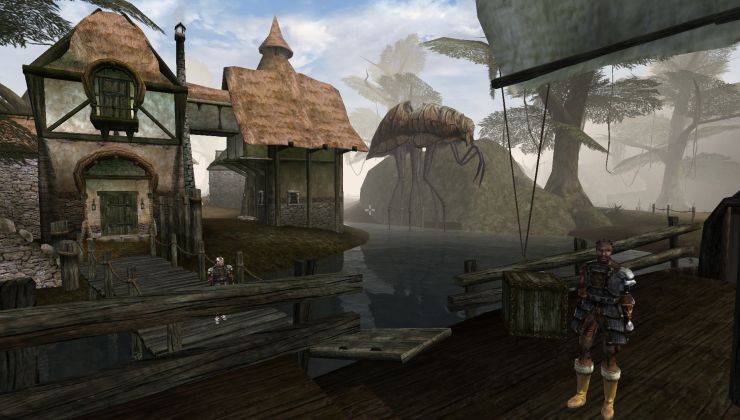 How to setup OpenMW for modern Morrowind on Linux / SteamOS and Steam Deck
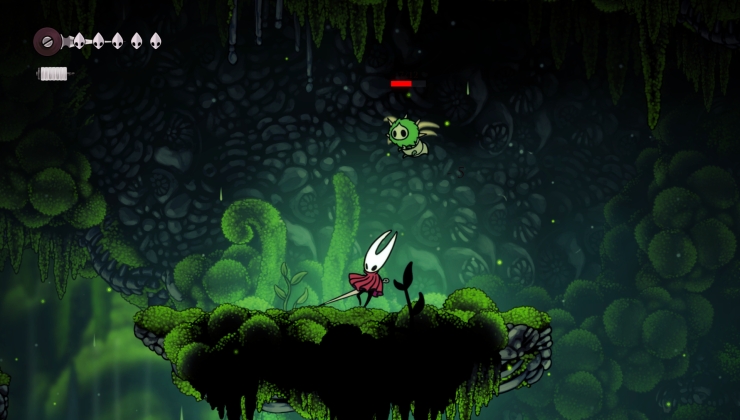 How to install Hollow Knight: Silksong mods on Linux, SteamOS and Steam Deck
Recently Updated
- The value of ecosystem.
- LoudTechie - New Desktop Screenshot Thread
- PlayingOnLinuxphone - The Great Android lockdown of 2026.
- PlayingOnLinuxphone - Feedback needed - future website updates
- Liam Dawe - Steam Deck desktop mode localization
- on_en_a_gros - See more posts
Source: i.postimg.cc
View cookie preferences.
Accept & Show Accept All & Don't show this again Direct Link