 Support us on Patreon
 PayPal
Latest Comments by Purple Library Guy
Stellaris: Aquatics Species Pack and the free 3.2 'Herbert' patch out now
23 Nov 2021 at 5:26 pm UTC Likes: 3
23 Nov 2021 at 5:26 pm UTC Likes: 3
I see now that the Wine puns are pretty much tapped out, Liam has found a new well of inspiration.
Two years on, Stadia seems to have no direction left
23 Nov 2021 at 6:09 am UTC Likes: 3
23 Nov 2021 at 6:09 am UTC Likes: 3
Quoting: STiATIf you buy games on a DRM platform as Steam you basically agree by their AGB that you only rent them.I've seen this argued, and I've seen the opposite argued, and I really don't think that is actually the case. A really convincing argument might change my mind, but the bare statement does not.
Two years on, Stadia seems to have no direction left
22 Nov 2021 at 5:59 pm UTC Likes: 4
22 Nov 2021 at 5:59 pm UTC Likes: 4
Google has always done these side gigs, interesting little projects to try to prove to themselves they're more than just a company that leveraged search into control of most internet advertising. But, is it just me or did their hit rate on those side gigs used to be higher back in the day? When was the last time they came out with a Google Maps?
KDE Discover gets update to prevent you breaking your Linux system
22 Nov 2021 at 11:28 am UTC Likes: 1
If you want what a typical Windows user would consider a normal, as in full-featured, desktop or laptop computer experience, where you can use different kinds of software and play games and stuff, Mint is way better than ChromeOS.
22 Nov 2021 at 11:28 am UTC Likes: 1
Quoting: pleasereadthemanualWell, it depends. ChromeOS has an excellent user interface and experience if you want to browse the web and do the occasional minimal document but only in places with Wifi, and nothing else ever. The moment you want to do something as advanced as . . . save a file locally, it sucks. Its software ecosystem is pretty much limited to the browser and Google Docs and whatever else you can do directly on the browser. And we recently found out, when it told us menacingly, that it stops doing updates after a few years--the better to encourage you to buy a new Chromebook, I guess. There's no upgrade path, you just have a computer that's going to gradually get more insecure until you stop using it.Quoting: Purple Library GuyI've never used the operating system or one of the myriad devices, so I couldn't say. I also haven't used an Android device before.Quoting: pleasereadthemanualChromeOS is a good example of how usable GNU/Linux can be with the right motivation. Android is another example.My wife has a Chromebook. I actually think it's a pretty bad example.
These are just opinions I've heard repeated often—though I've never been a fan of Google's user interfaces. My question is: are there any GNU/Linux distributions with a better user interface and experience?
If you want what a typical Windows user would consider a normal, as in full-featured, desktop or laptop computer experience, where you can use different kinds of software and play games and stuff, Mint is way better than ChromeOS.
APT 2.3.12 package manager released, will no longer let you break everything
22 Nov 2021 at 6:43 am UTC Likes: 2
22 Nov 2021 at 6:43 am UTC Likes: 2
A sidelight I found amusing: I gave a basic description of the whole Linus situation to my mother, and she observed that she would find it very tempting to be able to tell the computer "Do what I say!" :grin:
(My mother is an odd hybrid computers-wise; on one hand, she often has trouble dealing with modern computers and their interfaces, ordering stuff online and so on. On the other hand, back in the day she did programs with punch cards in fucking Fortran)
(My mother is an odd hybrid computers-wise; on one hand, she often has trouble dealing with modern computers and their interfaces, ordering stuff online and so on. On the other hand, back in the day she did programs with punch cards in fucking Fortran)
KDE Discover gets update to prevent you breaking your Linux system
22 Nov 2021 at 6:33 am UTC
So I gave it a whirl, dual booting. There were some good things about it, but it was a pain in the ass. There were always little things not working. Soon Mandrake came along and the rep was that it was more user friendly, so I switched to that. It was less of a pain in the ass, although I still tended to find that every time I did an upgrade I would need to spend a while doing cleanup--some icons would stop working, or there would be problems with logins or file permissions or some damn thing. And there was often something that didn't work properly--sound, this or that. My efforts to change those situations worked sometimes. But hey, theming!
And the software ecosystem was full of stuff that was very immature--lacking key features, buggy, lousy user interface, and/or butt-ugly. So I always really wanted or even seriously needed to grab the latest versions, hoping that some barrier to just being able to do what I wanted to do had been fixed. In the early days that involved a whole lot of messing with .rpms, and their dependencies, and their dependencies' dependencies' dependencies, some of which didn't work or mucked things up.
There was at least one period of time when I just said "OK, I'm sick of fighting this crap, I'm going to leave it for a while". But you have to remember that in those days Windows really sucked too. The Blue Screen of Death was a real and frequent thing, and weird stuff just went wrong, and unlike Linux when it did there was nothing you could do about it. My Windows 98 install started doing this weird thing where half the screen permanently had a negative image of some picture with a palm tree obscuring whatever was supposed to be going on, and I was broke so I basically just had to limp along with it like that (and use Linux more of the time). Also, thinking of broke, software licenses cost solid amounts of money; abiword and the Gnumeric spreadsheet were not just Libre, they were free of charge.
Both Linux and Windows gradually got technically better and more user friendly . . . but in the case of Windows, it also got more annoying in other ways; the presence of Big Brother got more intrusive and in some cases actively got in the way of getting things done. And parts of its software ecosystem in some ways reached optimum states and then in a need for novelty to sell the next version, innovated out the other side to start sucking more. I'm thinking in particular of the Microsoft Office "ribbon" interface, which was a stupid idea. I've been using it daily at work for many years now, so I'm well used to it; I still think it sucks. At this point, while I concede that MS Office still has some features LibreOffice doesn't, for my purposes LO has enough, and I like its actual interface better. Meanwhile, the Linux software ecosystem gradually matured enough that I no longer care much whether I have the latest version . . . and Linux package management matured enough that anyway, that all happens all by itself. Less and less stuff breaks, fewer and fewer bits of the OS fail to work as expected, the pain involved in using Linux generally has shrunk bit by bit to where it's practically gone. I am so much happier now.
At this point, for me, Mint is better than Windows. Hands down. It's more user friendly, it works better. It doesn't interrupt you all the time with corporate crap and weird passive-aggressive messages to try to make you think if you're not using their stuff that's a technical problem, and random vaguely ominous pop-ups that don't explain what exactly they are or give you any course of action to take to deal with them. It installs and maintains software more easily. And of course it's more customizable--not that I fiddle very much, but I'm very happy with my second taskbar on the side. And most of the software is cheaper.
22 Nov 2021 at 6:33 am UTC
Quoting: BeamboomI started somewhere around the turn of the millennium--not sure which side, might have been '99 or so. My first distro was Red Hat. I bought a CD in a store. I had a friend who was doing things with Linux, I found the concept of Free Software very interesting, I'd started hearing some things about what a completely unethical shark Bill Gates was, and Windows was crapping out on me a lot.Quoting: Purple Library GuyYou led off with "I simply do not subscribe to the idea of "Linux for everyone"". Then you started talking about all the "everyone" it was not for, and I recognised myself among them.I know I tend to paint with quite broad brushes when I express myself, so this is probably my fault. :)
But let's talk about you:
How long have you been using Linux now, and what's your opinion on the OS thus far, generally speaking? What made you install Linux the first time, how was that installation process for you, and what made you decide on distro?
Have you ever experienced anything that made your system unstable or did something you had to revert?
So I gave it a whirl, dual booting. There were some good things about it, but it was a pain in the ass. There were always little things not working. Soon Mandrake came along and the rep was that it was more user friendly, so I switched to that. It was less of a pain in the ass, although I still tended to find that every time I did an upgrade I would need to spend a while doing cleanup--some icons would stop working, or there would be problems with logins or file permissions or some damn thing. And there was often something that didn't work properly--sound, this or that. My efforts to change those situations worked sometimes. But hey, theming!
And the software ecosystem was full of stuff that was very immature--lacking key features, buggy, lousy user interface, and/or butt-ugly. So I always really wanted or even seriously needed to grab the latest versions, hoping that some barrier to just being able to do what I wanted to do had been fixed. In the early days that involved a whole lot of messing with .rpms, and their dependencies, and their dependencies' dependencies' dependencies, some of which didn't work or mucked things up.
There was at least one period of time when I just said "OK, I'm sick of fighting this crap, I'm going to leave it for a while". But you have to remember that in those days Windows really sucked too. The Blue Screen of Death was a real and frequent thing, and weird stuff just went wrong, and unlike Linux when it did there was nothing you could do about it. My Windows 98 install started doing this weird thing where half the screen permanently had a negative image of some picture with a palm tree obscuring whatever was supposed to be going on, and I was broke so I basically just had to limp along with it like that (and use Linux more of the time). Also, thinking of broke, software licenses cost solid amounts of money; abiword and the Gnumeric spreadsheet were not just Libre, they were free of charge.
Both Linux and Windows gradually got technically better and more user friendly . . . but in the case of Windows, it also got more annoying in other ways; the presence of Big Brother got more intrusive and in some cases actively got in the way of getting things done. And parts of its software ecosystem in some ways reached optimum states and then in a need for novelty to sell the next version, innovated out the other side to start sucking more. I'm thinking in particular of the Microsoft Office "ribbon" interface, which was a stupid idea. I've been using it daily at work for many years now, so I'm well used to it; I still think it sucks. At this point, while I concede that MS Office still has some features LibreOffice doesn't, for my purposes LO has enough, and I like its actual interface better. Meanwhile, the Linux software ecosystem gradually matured enough that I no longer care much whether I have the latest version . . . and Linux package management matured enough that anyway, that all happens all by itself. Less and less stuff breaks, fewer and fewer bits of the OS fail to work as expected, the pain involved in using Linux generally has shrunk bit by bit to where it's practically gone. I am so much happier now.
At this point, for me, Mint is better than Windows. Hands down. It's more user friendly, it works better. It doesn't interrupt you all the time with corporate crap and weird passive-aggressive messages to try to make you think if you're not using their stuff that's a technical problem, and random vaguely ominous pop-ups that don't explain what exactly they are or give you any course of action to take to deal with them. It installs and maintains software more easily. And of course it's more customizable--not that I fiddle very much, but I'm very happy with my second taskbar on the side. And most of the software is cheaper.
Wolfire versus Valve antitrust lawsuit gets dismissed
22 Nov 2021 at 5:18 am UTC
Who's right seems to be coming down to a question of definition: What is marketing? What counts as marketing? I'm not a marketer and I hate marketing, so I avoid knowing what a professional would consider counts. So I don't know the answer to those questions. It does seem as if Valve do some things that stimulate people's games to be sold more.
22 Nov 2021 at 5:18 am UTC
Quoting: GuestWait, I've actually got people taking issue with me saying that Valve doesn't do the marketing of other people's games for them, for free.I think what you've got is people taking issue with you saying that Valve doesn't do (some of the) marketing of other people's games for them, for a 30% cut.
Who's right seems to be coming down to a question of definition: What is marketing? What counts as marketing? I'm not a marketer and I hate marketing, so I avoid knowing what a professional would consider counts. So I don't know the answer to those questions. It does seem as if Valve do some things that stimulate people's games to be sold more.
Wolfire versus Valve antitrust lawsuit gets dismissed
22 Nov 2021 at 5:15 am UTC Likes: 1
Some people think the earth is flat. That is their opinion. It is wrong. The earth is not flat. One might say they are entitled to their opinion, but that does not make it stop being wrong. Something being an opinion does not put it magically outside the realm of factual verification. Even opinions about more abstract things can often be categorically wrong--for instance, if the opinion is internally contradictory.
There are some opinions that are not falsifiable, and others that are almost by definition correct. So for instance, if it is my opinion that I like bacon, having the opinion and actually liking bacon are so close to the same thing that my opinion on that is almost by definition correct. But that only works for opinions about that sort of inherently subjective stuff, not for opinions about the outside world.
22 Nov 2021 at 5:15 am UTC Likes: 1
Quoting: GuestWait....you're saying simultaneously that someone is wrong, but it's an opinion (which by definition is subjective and therefore wrong/right do not apply)?I have a serious philosophical problem with what you just said. It is not the case.
Some people think the earth is flat. That is their opinion. It is wrong. The earth is not flat. One might say they are entitled to their opinion, but that does not make it stop being wrong. Something being an opinion does not put it magically outside the realm of factual verification. Even opinions about more abstract things can often be categorically wrong--for instance, if the opinion is internally contradictory.
There are some opinions that are not falsifiable, and others that are almost by definition correct. So for instance, if it is my opinion that I like bacon, having the opinion and actually liking bacon are so close to the same thing that my opinion on that is almost by definition correct. But that only works for opinions about that sort of inherently subjective stuff, not for opinions about the outside world.
KDE Discover gets update to prevent you breaking your Linux system
22 Nov 2021 at 5:00 am UTC Likes: 1
22 Nov 2021 at 5:00 am UTC Likes: 1
Quoting: pleasereadthemanualChromeOS is a good example of how usable GNU/Linux can be with the right motivation. Android is another example.My wife has a Chromebook. I actually think it's a pretty bad example.
KDE Discover gets update to prevent you breaking your Linux system
21 Nov 2021 at 12:24 am UTC Likes: 3
But they still can. Indeed, for people who know what they are doing I think it's easier, because as far as I can tell you can now build it into the initial command and have it just happen with no backchat, rather than doing the command and then typing a thing. I still don't see that the change is worth the bitching that it has received.
21 Nov 2021 at 12:24 am UTC Likes: 3
Quoting: GuestI've used apt and typed that I knew what I was doing a couple of times before. It's not something I do on a regular basis. I was removing what were considered critical packages, and that was ok. I would've been annoyed at the time if it didn't let me (because it would have turned into a case of damnit, on Gentoo this is much easier, grrrr!), but if there was a hint of where I could read more and figure out how to force things? That would've been fine.Ah, well. I stand corrected. Clearly now and then people do want to do that. I guess I was under the impression that this only applied to adding packages with apt, not removing them, and it seemed to me an odd thing that anyone would want to do the task of removing key packages by adding some other package.
But they still can. Indeed, for people who know what they are doing I think it's easier, because as far as I can tell you can now build it into the initial command and have it just happen with no backchat, rather than doing the command and then typing a thing. I still don't see that the change is worth the bitching that it has received.
- Valve wins legal battle against patent troll Rothschild and associated companies
- Game manager Lutris v0.5.20 released with Proton upgrades, store updates and much more
- Rocket League is adding Easy Anti-Cheat, Psyonix say Linux will still be supported with Proton
- Unity CEO says an upcoming Beta will allow people to "prompt full casual games into existence"
- Godot Engine suffering from lots of "AI slop" code submissions
- > See more over 30 days here
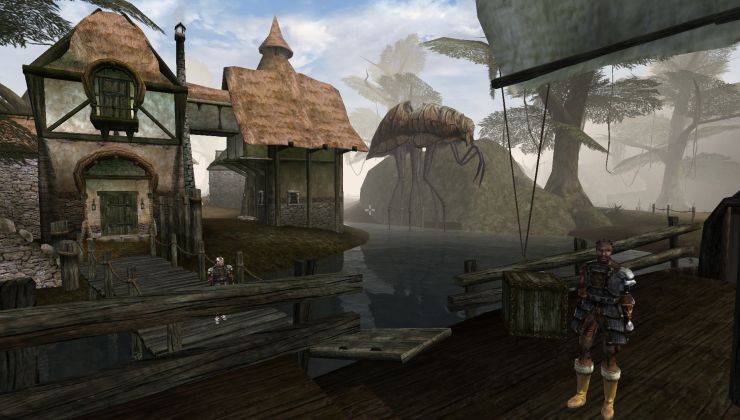 How to setup OpenMW for modern Morrowind on Linux / SteamOS and Steam Deck
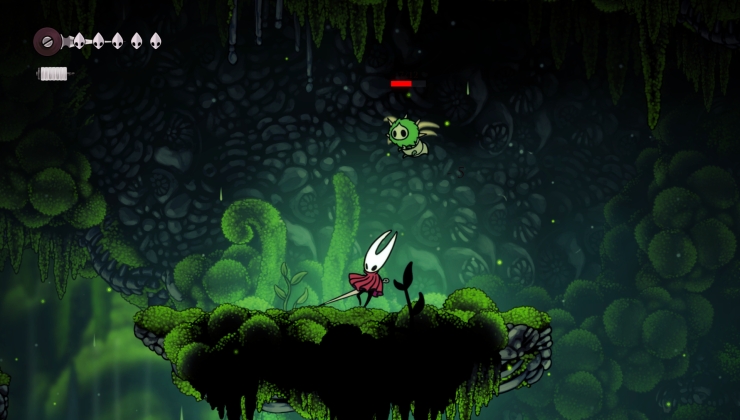 How to install Hollow Knight: Silksong mods on Linux, SteamOS and Steam Deck