Latest Comments by F.Ultra
Changing your country on Steam has been made harder to battle VPNs
2 Aug 2020 at 3:32 pm UTC
2 Aug 2020 at 3:32 pm UTC
Quoting: slapinIf you speak one of the major languages yes, for my language there exists close to zero games on either platform unless it's something that is targeted for very small children (and even then most of the time English is the only option).Quoting: F.UltraSony made sure everyone gets the same content for regional prices, so you do not get poorly localized version without ability to switch to original language. On playstation you get the same game with all the stuff in it, not crippled version.Quoting: slapinWell, in case of Ubisoft or when you either VPN or torrent, this choice will bias things towards torrent which I don't like. I wonder why Sony Playstation managed to do it right and Steam can't do it...What do you mean by "Sony Playstation managed to do it right"? AFAIK they have both regional locking and prices.
Changing your country on Steam has been made harder to battle VPNs
1 Aug 2020 at 10:11 pm UTC
edit: And more to the topic at hand, looking at the GDP per capita between Sweden, Argentina, Poland and Ukraine show why game devs wants to apply different prices in different regions: https://data.worldbank.org/indicator/NY.GDP.PCAP.CD?end=2019&locations=SE-AR-PL-UA&start=1960 [External Link]
1 Aug 2020 at 10:11 pm UTC
Quoting: The_AquabatAnd if you use the comparison function on the World Bank site: https://data.worldbank.org/?locations=AR-PL-UA [External Link] you see the same differences that I quoted earlier from Wikipedia.Quoting: F.UltraWhat is the source though? Wikipedia uses the IMF estimates for 2019 so hardly "outdated" since that would be the very latest available data possible.it's data from the world bank here it's more updated.
Completely off topic though since this is not a thread about the Economic siltation in Argentina (a topic that you for some reason brought to this thread).
https://miro.medium.com/max/1000/1*w9cdWPA7xFDkieFNLre_hg.png
yes I know it is not the topic but if you follow up the linked thread to ResetEra there's some mentioning that, I'm sorry I went off topic.
edit: And more to the topic at hand, looking at the GDP per capita between Sweden, Argentina, Poland and Ukraine show why game devs wants to apply different prices in different regions: https://data.worldbank.org/indicator/NY.GDP.PCAP.CD?end=2019&locations=SE-AR-PL-UA&start=1960 [External Link]
Changing your country on Steam has been made harder to battle VPNs
1 Aug 2020 at 9:48 pm UTC
Completely off topic though since this is not a thread about the Economic siltation in Argentina (a topic that you for some reason brought to this thread). And if you didn't get it from my prior post you cannot say that Argentina is like Poland or Ukraine when there is a huge difference between Poland and Ukraine to begin with.
1 Aug 2020 at 9:48 pm UTC
Quoting: The_AquabatWhat is the source though? Wikipedia uses the IMF estimates for 2019 so hardly "outdated" since that would be the very latest available data possible.Quoting: F.Ultraedit: And btw Argentinas GDP per capita is 62% of that of Poland and 255% of that of Ukraine so not sure where "GDP per capita is comparable to some eastern european countries like Ukranie, or Poland" is sourced from. And Argentina have 4 times the population of the highest populated Scandinavian country (Sweden).
I used the Wikipedia numbers for reference.
that's outdated, now we are probably a middle-middle income not high-middle income, we have some fluctuations here. in economics the pandemia has been catastrophic here, more than the average.
Completely off topic though since this is not a thread about the Economic siltation in Argentina (a topic that you for some reason brought to this thread). And if you didn't get it from my prior post you cannot say that Argentina is like Poland or Ukraine when there is a huge difference between Poland and Ukraine to begin with.
Changing your country on Steam has been made harder to battle VPNs
1 Aug 2020 at 9:05 pm UTC
edit: And btw Argentinas GDP per capita is 62% of that of Poland and 255% of that of Ukraine so not sure where "GDP per capita is comparable to some eastern european countries like Ukranie, or Poland" is sourced from. And Argentina have 4 times the population of the highest populated Scandinavian country (Sweden).
I used the Wikipedia numbers for reference.
1 Aug 2020 at 9:05 pm UTC
Quoting: The_Aquabatwwwow I'm surprised how many people have a stereotype of third world countries, many here think that they are like a slum dumpster. Third world is a Cold War definition you should update your definitions, here for example, GDP is comparable to a Scandinavian country (but yeah with double population) and GDP per capita is comparable to some eastern european countries like Ukranie, or Poland. We are not even a low income country considering statistics just a middle income. I'm not saying there is no poverty which there is but the mayority of my country is quite nice. Sad that you have that picture of some countries. I hope that stereotype don't stick and maybe you should come to take a tour :grin:. It's just that cost of living is quite a less here even for the CIA factbook Argentina is ranked quite good in therms of Purchase Power Parity [External Link].Not entirely sure where this is coming from, just to check I went through all the posts in this thread so far and yours is the only one that contained the term "third world". Also I see exactly zero people comparing Argentina with "a slum dumpster" or anything even near in comparison.
but likewise I guess it's understandable, I'm totally ignorant of countries like Estonia, Latvia, Lithuanie, Hungary, lots of countries for me are like "exotic", I guess Argentina is likewise exotic for some people in Europe or North America.
edit: And btw Argentinas GDP per capita is 62% of that of Poland and 255% of that of Ukraine so not sure where "GDP per capita is comparable to some eastern european countries like Ukranie, or Poland" is sourced from. And Argentina have 4 times the population of the highest populated Scandinavian country (Sweden).
I used the Wikipedia numbers for reference.
Changing your country on Steam has been made harder to battle VPNs
1 Aug 2020 at 3:32 pm UTC Likes: 1
1 Aug 2020 at 3:32 pm UTC Likes: 1
Quoting: slapinWell, in case of Ubisoft or when you either VPN or torrent, this choice will bias things towards torrent which I don't like. I wonder why Sony Playstation managed to do it right and Steam can't do it...What do you mean by "Sony Playstation managed to do it right"? AFAIK they have both regional locking and prices.
Changing your country on Steam has been made harder to battle VPNs
1 Aug 2020 at 3:25 pm UTC
1 Aug 2020 at 3:25 pm UTC
Quoting: Purple Library GuyOf course, I was more thinking in the terms of a single dev indie studio does not have to sell that many copies in order to keep afloat as compared with when you have an actual team of people that needs wages and so forth. Could have worded it better since of course not all indies are of the single dev type.Quoting: F.UltraThe small indie doesn't have the marketing to sell gajillions of copies, though. I don't think they're in a position to happily lose sales.Quoting: WorMzyMy opinion is that the price should be the price, and that should be converted to the real-time equivalent for the currency you're buying in.If you have fixed prices then you will loose lots of sales in countries where income is low while you get next to nothing from countries that can afford to pay. Now if you are a small indie and can price your game sufficiently cheap then this might work but not for big titles that costs billions to develop.
So game = £10. At time of writing:
- UK: £10
- USA: $13.15
- Japan: ¥1386
- Europe: €11.12
etc. Then apply whatever local tax applies (which is probably where most of the pressure on Valve comes from, taxperson always wants their cut...).
Changing your country on Steam has been made harder to battle VPNs
31 Jul 2020 at 2:34 pm UTC Likes: 2
It's not always just income however, e.g traditionally HIFI is cheaper in Germany than in Sweden because HIFI is seen as a luxury item in Sweden so we tend to pay more while Germans see it as more of a commodity while computers are cheaper in Sweden than in Germany due to Swedes seeing computers as a commodity and not as the luxury item that the Germans do (at least this was how it was some decades ago).
31 Jul 2020 at 2:34 pm UTC Likes: 2
Quoting: LinasTo be honest, it has always escaped me how games in e.g. Russia cost like 10% of what we pay in the EU. I mean, I do get that purchasing power and salaries are very different, but we are talking about digital goods. It takes whatever amount of money it takes to make a game, in whatever country is was made. It's not like the prices in Russia are lower because it is somehow cheaper to distribute them in Russia. Somehow feels arbitrary and fake in the global economy.It's 10% in Russia because that is where you have to be in order to sell any games, and it is 100% in EU since we in the EU both have a higher income and have a higher incentive to buy games so if you don't take 100% here then you are loosing potential income.
It's not always just income however, e.g traditionally HIFI is cheaper in Germany than in Sweden because HIFI is seen as a luxury item in Sweden so we tend to pay more while Germans see it as more of a commodity while computers are cheaper in Sweden than in Germany due to Swedes seeing computers as a commodity and not as the luxury item that the Germans do (at least this was how it was some decades ago).
Changing your country on Steam has been made harder to battle VPNs
31 Jul 2020 at 2:29 pm UTC Likes: 4
31 Jul 2020 at 2:29 pm UTC Likes: 4
Quoting: WorMzyMy opinion is that the price should be the price, and that should be converted to the real-time equivalent for the currency you're buying in.If you have fixed prices then you will loose lots of sales in countries where income is low while you get next to nothing from countries that can afford to pay. Now if you are a small indie and can price your game sufficiently cheap then this might work but not for big titles that costs billions to develop.
So game = £10. At time of writing:
- UK: £10
- USA: $13.15
- Japan: ¥1386
- Europe: €11.12
etc. Then apply whatever local tax applies (which is probably where most of the pressure on Valve comes from, taxperson always wants their cut...).
Gyroscope tool JoyShockMapper comes to Linux, Valve adds 'Flick stick' to Steam Input
19 Jul 2020 at 2:30 pm UTC Likes: 1
19 Jul 2020 at 2:30 pm UTC Likes: 1
Quoting: gustavoyaraujoWell to be honest that only tells that you are good, not that this is actually better than keyboard+mouse. We could put sandals on Zlatan Ibrahimovic and he would still run rings around most football players.Quoting: KohriasMight help these console amateurs to get a bit better :) Does not even come close to keyboard + mouse.You are wrong. I played a lot of ranked games in Dota 2 before and a lot of other players recognized me as a good player.
Remembering an indie gem with Osmos over 10 years later
10 Jul 2020 at 6:38 pm UTC Likes: 1
10 Jul 2020 at 6:38 pm UTC Likes: 1
Back when it was in a Humble Bundle I created a Swedish translation for it: https://drive.google.com/file/d/0BwqAKhyY0V1OX25XQk1mUVZaRnM/view?usp=sharing [External Link] if anyone would be interested :)
- If you drop (or throw) your new Steam Controller it will scream at you
- Proton Experimental gets fixes for Rocket League, Crimson Desert, Helldivers 2 and more
- Linux security flaws Dirty Frag and Copy Fail are a good reminder to stay up to date
- SteamOS 3.8.4 Beta brings further Steam Machine support and fixes for experimental nested desktop mode
- PlayStation 3 emulator RPCS3 devs battling "AI slop code pull requests"
- > See more over 30 days here
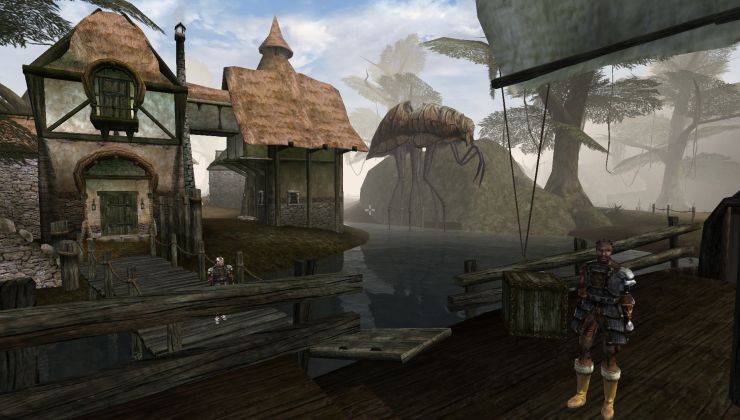 How to setup OpenMW for modern Morrowind on Linux / SteamOS and Steam Deck
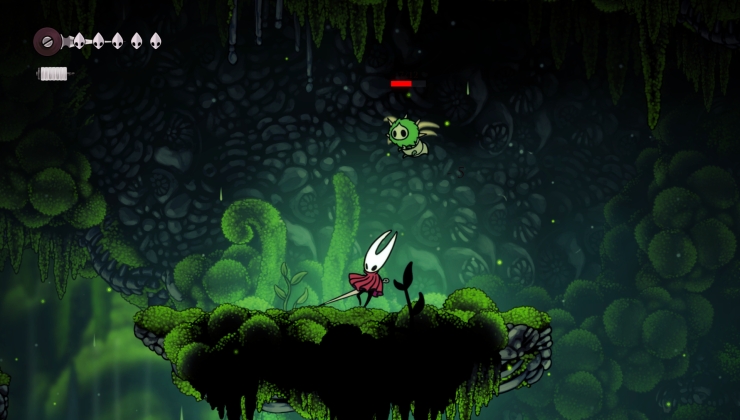 How to install Hollow Knight: Silksong mods on Linux, SteamOS and Steam Deck
- Guns of Icarus
- CatKiller - What's bad about generative AI on the Internet and beyond, exactl…
- RubyRose136 - thoughts and things?
- whizse - A New Game Screenshots Thread
- tmtvl - The Great Android lockdown of 2026.
- tuubi - See more posts
Source: i.pinimg.com
View cookie preferences.
Accept & Show Accept All & Don't show this again Direct Link